

Understanding the Value of Your Unwanted Vehicle
When it comes to unwanted vehicles, the reasons for their presence in our lives can vary significantly.
Why Do People Have Scrap Cars?
People often find themselves with scrap cars for a myriad of reasons:
- Breakdowns and Repairs: Some vehicles suffer mechanical failures that exceed their value. For instance, a friend once held on to an old sedan that needed constant repairs, ultimately making the decision to scrap it rather than pour money into an unreliable car.
- Accidents and Damage: Cars involved in accidents may become too damaged to be repaired economically. Many individuals choose to scrap these vehicles instead of investing in expensive repairs.
- Upgrading: As technology advances, many drivers opt for newer models, leaving their old cars to gather dust. A compact SUV may fit better into a family’s needs, rendering the previous car scrap-worthy.
Understanding these factors lays the groundwork for evaluating their worth.
Factors Affecting the Value of Scrap Cars
Several elements influence the scrap car value, including:
- Make and Model: Some brands, like luxury vehicles, can retain higher scrap car value due to their expensive parts.
- Condition: The degree of wear and tear significantly affects valuation. A car with fewer functional parts will fetch a lower price.
- Market Demand: Fluctuations in metal prices and demand for used parts can either inflate or deflate the potential earnings from scrapping a vehicle.
Ultimately, assessing an unwanted vehicle’s value involves both emotional and economic factors, setting the stage for the next steps in its disposal.
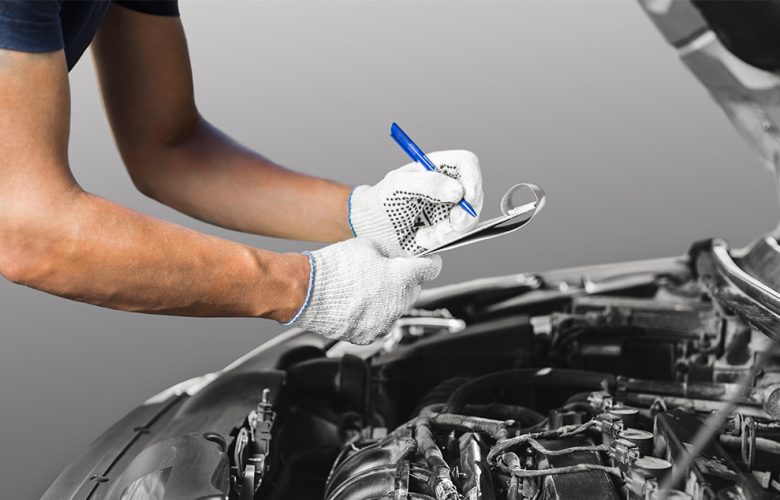
Assessing Your Scrap Car's Worth
Once you've identified the reasons behind your scrap car, the next step is determining its actual value. Knowing how to assess this value can guide your decisions, ensuring you receive a fair amount.
How to Determine the Value of Your Vehicle
Determining the value of your scrap car may seem daunting, but it can be straightforward with a few guidelines:
- Research Current Market Prices: Check online platforms and local scrapyard listings to understand the prevailing rates for scrap cars. Websites have insights into much similar vehicles sell for.
- Consult with Local Mechanics: Mechanics often have valuable knowledge about vehicle worth and can provide estimates based on condition.
- Consider Weighing Your Vehicle: Scrap yards often pay based on weight, so knowing the weight of your vehicle can help you anticipate earnings.
A good friend of mine, for instance, was pleasantly surprised to discover that his old hatchback was worth more in scrap than he initially thought!
Where to Find Valuation Services
When looking for valuation services, consider these options:
- Scrap Car Dealers: Many dealers offer free quotes and can assess your vehicle's worth quickly.
- Online Valuation Tools: Websites can give guidance, even for scrap vehicles.
- Local Junkyards: Visiting nearby junkyards can provide an upfront offer based on your car's condition and parts.
By leveraging these resources, you can accurately assess your scrap car's worth, ensuring you maximize your return before its disposal.

Disposal Options for Your Scrap Car
With a clear understanding of your scrap car's value, it’s time to explore your disposal options. There are several routes you can take, each with its benefits.
Selling Your Car to a Scrapyard
One of the most straightforward ways to get rid of your scrap vehicle is by selling it to a scrapyard. Here’s why this option is popular:
- Quick Cash: Scrapyards typically offer immediate payment based on the car’s weight and valuable parts. When my neighbor decided to scrap his old vehicle, he was able to pocket some cash the same day.
- No Hassle: The process is fairly simple. Most scrapyards handle the towing, making it an easy choice for non-operational vehicles, feel price to contact Price Match Motoring for more details.
- Environmentally Friendly: Scrapyards recycle parts and metals, reducing landfill waste, which contributes to a greener planet.
To maximize your return, ensure you remove all personal items and gather any necessary paperwork before the sale.
Donating Your Vehicle to Charity
Alternatively, donating your scrap car to charity can be a rewarding option, both financially and emotionally. Consider these points:
- Tax Deductions: Many charities provide you with a receipt that can serve as a tax write-off based on fair market value.
- Support a Good Cause: Your donation can help fund important programs or medical research, which feels good knowing your car isn’t just becoming scrap.
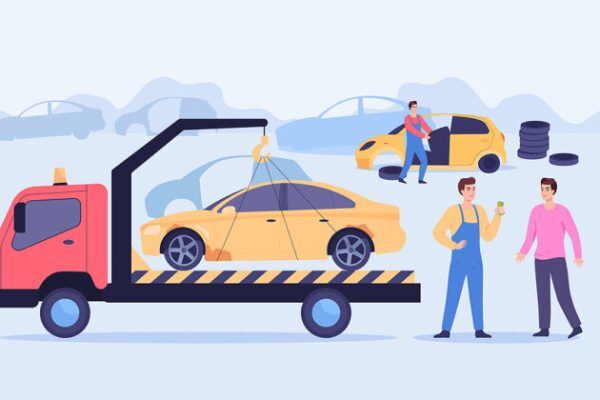
- Simple Process: Most charities will provide towing services, making it easy on your part.
Legal Considerations When Scrapping a Car
Navigating the legal terrain of scrapping a vehicle may initially seem complex, but it’s crucial for ensuring a smooth and lawful process. Understanding the legal considerations can save you from potential headaches later on.
Title Transfer and Documentation
One of the first steps when scrapping a vehicle is handling the title transfer properly.
- Ownership Proof: The title serves as legal proof of ownership. If you don’t transfer it correctly, you may still be held liable for the vehicle.
- Required Documentation: Typically, you will need to complete a title transfer form, which varies by state or country. Be sure to check local regulations.
- Notification to Authorities: Don’t forget to notify the local motor vehicle department about the scrapping. This step is often required to avoid potential penalties. Deregister of vehicle can be done on One Motoring website.
Environmental Regulations to Follow
Equally important are the environmental regulations that govern vehicle disposal.
- Proper Disposal of Fluids: Make sure that hazardous materials like oil and anti-freeze are disposed of following local laws to prevent environmental damage.
- Recycling Requirements: Many places have regulations about recycling vehicle parts; confirm that the scrapyard follows these guidelines.
Being aware of these legalities not only protects you but also ensures your car’s disposal is eco-friendly. A seamless process will not only give you peace of mind but also contribute positively to the environment.
Environmental Impact of Scrap Cars
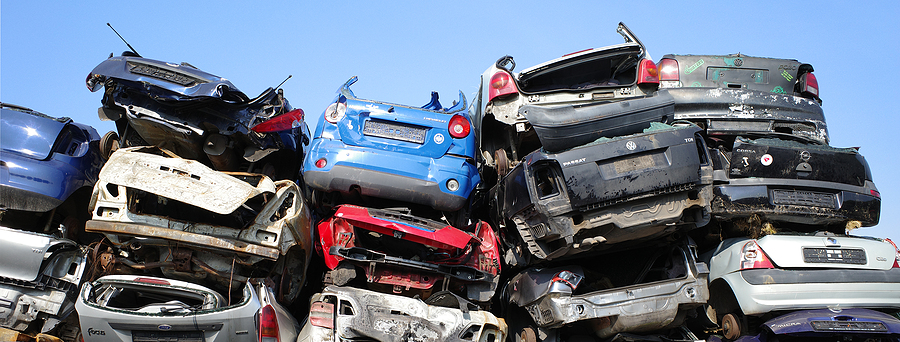
Scrapping a vehicle isn’t just about getting rid of an unwanted piece of machinery; it has significant environmental implications that can shape our planet's future for the better. Understanding these impacts can help motivate responsible disposal decisions.
Recycling Potential of Scrap Cars
One of the most notable aspects of scrap cars is their incredible recycling potential.
- Metal Recovery: A typical car is about 75% recyclable, with metal components being the most prominent. Recycling metal saves energy and reduces the need for new raw materials; for example, recycling steel uses about 74% less energy than producing it from iron ore.
- Reuse of Parts: Functional parts like engines, transmissions, and even tires can find a new life in other vehicles, reducing waste. A friend of mine once bought a used engine from a scrapyard and saved a significant amount compared to buying new.
- Reducing Landfill Waste: Proper recycling means fewer cars in landfills, which helps protect natural habitats and saves space.
Reducing Carbon Footprint through Proper Disposal
When cars are scrapped responsibly, they contribute to a reduction in our carbon footprint.
- Lower Emissions: Recycling metals and other materials from scrap cars leads to less energy consumption, which, in turn, reduces greenhouse gas emissions.
- Sustainable Practices: Many scrapyards adhere to environmental regulations that promote sustainable practices, ensuring that hazardous materials are disposed of correctly, preventing soil and water contamination.
By understanding these environmental impacts, individuals can make informed decisions about their scrap cars that benefit both themselves and the planet. Proper disposal and recycling not only clear up space but also contribute to a healthier future.

Maximizing the Value of Your Scrap Car
Now that you've grasped the environmental implications of scrapping a vehicle, let’s discuss how to make the most out of your scrap car financially. By taking the right steps, you can maximize your payout while ensuring the process is smooth.
Tips for Getting the Best Price for Your Vehicle
Here are some practical tips to help you get the best deal for your scrap car:
- Research Scrap Prices: Before heading to the scrapyard, check the current metal scrap prices online. A quick search can help you negotiate better.
- Clean It Up: Remove any personal items and clean out non-essential components. A tidy vehicle may offer a more appealing appearance to buyers, potentially increasing its value.
- Get Multiple Quotes: Don’t settle for the first offer. Visit several local scrapyards and ideally get a written quote to ensure you're receiving competitive pricing.
I remember when my neighbor scrapped his old van; after getting a few quotes, he realized one local junkyard was offering nearly $300 more than the others.
Conclusion and Final Thoughts
As we wrap up this comprehensive guide on dealing with scrap cars, it’s clear that scrapping a vehicle involves much more than simply getting rid of an old clunker. By understanding the nuances of scrap car value, legal requirements, and environmental impacts, individuals can make informed and responsible choices.
Key Takeaways
Here are some essential points to remember:
- Know Your Options: Whether you choose to sell your scrap car, donate it, or salvage valuable parts, each path has its benefits. Assess your goals and choose what aligns best with your values and needs.
- Maximize Value: Researching scrap prices and obtaining multiple quotes can significantly increase your payout. Don't underestimate the resale value of individual parts!
- Environmental Responsibility: Remember that proper disposal not only benefits your immediate situation but also contributes positively to the environment. This creates a ripple effect, supporting sustainability efforts.
As you contemplate what to do with your unwanted vehicle, keep these insights in mind. With a little effort and knowledge, you can ensure your scrap car journey is not just profitable but also environmentally friendly. Happy scrapping!