
Overview of Scrap Yards in Singapore
Definition of Scrap Yards
In Singapore, scrap yards are essential facilities that facilitate the collection and processing of discarded materials. They serve as key players in the recycling ecosystem, where various forms of waste—primarily metal—are processed for reuse. These yards play a significant role in reducing waste in landfills and promoting more sustainable practices. Individuals and companies often bring their scrap vehicles, appliances, and construction materials to these yards for safe disposal.
Types of Materials Accepted
Scrap yards in Singapore accept a wide array of materials, which may include:
- Metals: Aluminum, copper, steel, and iron.
- Vehicles: Scrap cars, motorcycles, and commercial vehicles.
- Electronics: Old appliances, circuit boards, and electronic devices.
- Construction Waste: Pipes, wiring, and metal debris from deconstruction activities.
By accepting such diverse materials, these yards not only contribute to environmental sustainability but also offer economic opportunities for recycling and reselling materials on the global market.
Regulations and Licensing Requirements
Government Regulations for Scrap Yards
To ensure proper management and sustainability, the government of Singapore has established clear regulations for scrap yards. These regulations aim to mitigate environmental impacts and uphold public safety. For instance, scrap yards must follow strict guidelines regarding:
- Waste Disposal: Compliance with the Environmental Protection and Management Act is essential.
- Emissions Control: Implementing measures to minimize air and noise pollution.
- Safety Standards: Adhering to occupational safety regulations to protect workers.
Licensing Process for Scrap Yards in Singapore
Starting a scrap yard in Singapore requires navigating a structured licensing process. Key steps include:
- Application Submission: Prospective owners must submit an application to the National Environment Agency (NEA).
- Site Inspection: A thorough inspection of the proposed site to ensure compliance with environmental and safety standards.
- Approval and Licensing: Once approved, operators receive a license to operate legally.
This licensing not only promotes responsible practices but also helps in maintaining the integrity of the scrap metal industry in Singapore.

Popular Scrap Yards in Singapore
List of LTA-appointed scrapyards in the Singapore
- Esun International Pte Ltd
- Hup Lee Leong Hardware Pte Ltd
- Kheng Keng Auto Pte Ltd
- Kiat Lee Machinery Pte Ltd
Services Offered by Leading Scrap Yards
Leading scrap yards provide an array of services catering to various customer needs, such as:
- Cash for Scrap: Immediate payments based on scrap car value.
- Collection Services: Offering pickup options for larger quantities of scrap.
- Recycling Facilities: Equipped to process various materials efficiently.
This combination of services not only makes disposing of scrap convenient but also encourages more individuals to participate in recycling efforts. By utilizing these services at popular scrap yards, residents contribute to a greener Singapore.

Exporting Scrap Metal from Singapore
Procedures for Exporting Scrap Metal
Exporting scrap metal from Singapore involves a structured set of procedures to ensure compliance with regulatory standards. Here’s a brief overview of the process:
- Documentation: Exporters need to prepare necessary documents, including export permits and invoices highlighting the type and quantity of metal.
- Quality Assessment: Conducting a quality check to confirm that the scrap meets international standards.
- Customs Clearance: Submitting relevant paperwork to Singapore Customs to obtain clearance for export.
- Transportation Arrangement: Choosing the appropriate mode of transport, often using shipping for larger quantities.
Each step is crucial for a smooth export process, ensuring that both exporters and importers adhere to local and international laws.
International Market for Scrap Metal
The international scrap metal market is thriving, driven by demand from countries focused on sustainable manufacturing. Key markets include:
- India
- Bangladesh
- Pakistan
- Vietnam
- Philippines
- African Countries
- South Asia
- China
Understanding these markets allows Singaporean exporters to strategically position themselves, tapping into lucrative opportunities while promoting sustainability through recycled materials.
Environmental Impact and Sustainability
Recycling Practices in Scrap Yards
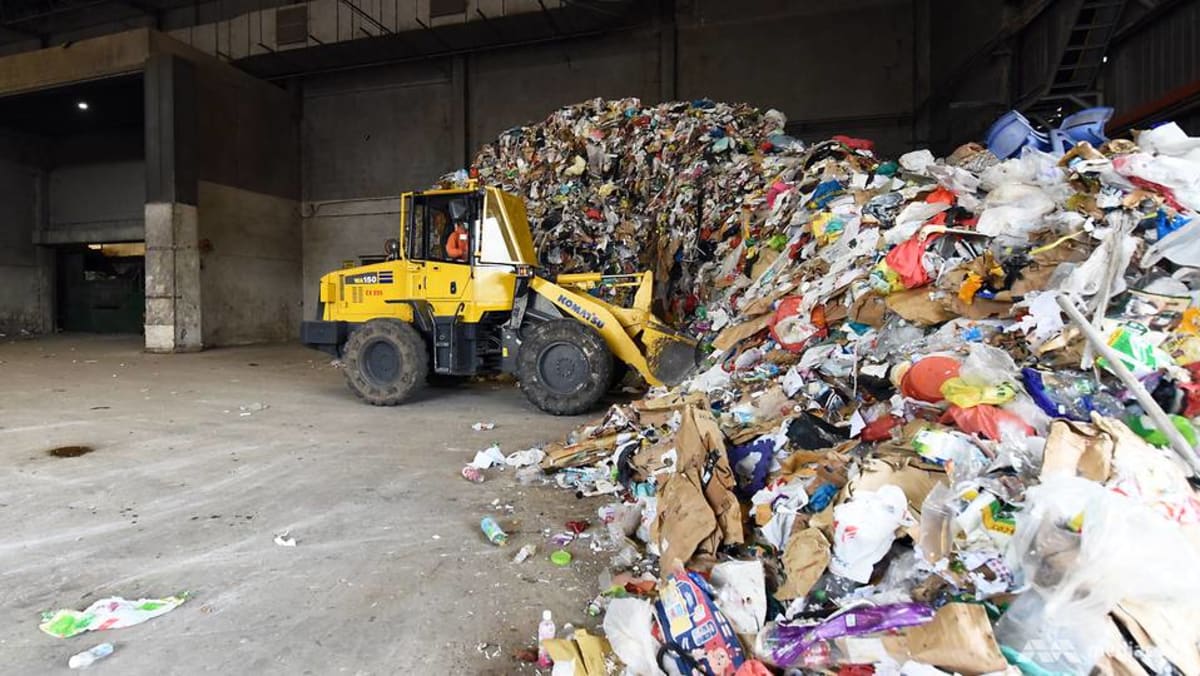
Scrap yards in Singapore play a vital role in promoting environmental sustainability through effective recycling practices. These facilities implement various methods to ensure the responsible processing of materials, which often include:
- Metal Sorting: Advanced techniques to separate different types of metals for optimal recycling.
- Shredding and Baling: Processes that reduce the size of scrap metal, making it easier to transport and recycle.
- Removing Contaminants: Extracting hazardous substances from electronic waste to prevent environmental harm.
These practices are crucial for minimizing waste and conserving natural resources, showcasing the commitment of scrap yards to a greener future.
Initiatives for Sustainable Scrap Metal Management
In addition to recycling, many scrap yards actively promote sustainability through innovative initiatives, such as:
- Community Education Programs: Workshops to raise awareness about the benefits of recycling scrap metal.
- Sustainability Partnerships: Collaborating with environmental organizations to enhance recycling efforts.
- Incentives for Recycling: Offering reduced rates or bonuses for customers who bring in more recyclable materials.
These initiatives not only help to manage resources sustainably but also encourage the entire community to participate in preserving the environment.
Challenges Faced by Scrap Yards and Exporters
Market Challenges in the Scrap Metal Industry
While Singapore’s scrap metal industry thrives, it is not without its challenges. One major hurdle is price volatility. Scrap metal prices fluctuate based on global demand and market dynamics, leading to uncertainty for both scrap yards and exporters. Factors influencing the market include:
- Economic Conditions: Changes in industrial activity can affect demand.
- Competition: An influx of scrap from other regions might drive prices down.
- Regulatory Changes: New environmental regulations may impact operations and costs.
Such fluctuations make it crucial for scrap yards to remain agile and informed about market trends.
Logistics and Transportation Issues
Transporting scrap metal also presents significant challenges. Factors such as:
- Regulatory Compliance: Strict customs regulations hinder smooth transport processes.
- Infrastructure Limitations: Poorly maintained roads can complicate logistics.
- Rising Fuel Costs: Increasing operational costs can affect profit margins.
Addressing these logistical hurdles requires strategic planning and collaboration among stakeholders, ensuring that scrap yards can efficiently manage their resources while meeting market demands.

Future Trends and Opportunities
Innovation in Scrap Metal Recycling
As the scrap metal industry evolves, innovation is a driving force for enhancing recycling practices. Emerging technologies, such as advanced sorting and processing machinery, make it easier to identify and separate various metals. Key innovations include:
- Automation: Robotics streamline sorting processes, improving efficiency and accuracy.
- AI and Data Analytics: Utilizing predictive analytics to forecast market trends and optimize operations.
- Green Technologies: Developing more eco-friendly methods to process scrap, reducing environmental impact.
These innovations not only save costs but also position scrap yards as leaders in sustainability efforts.
Emerging Opportunities for Scrap Yards and Exporters
With innovation comes significant opportunity. For scrap yards and exporters, potential growth avenues include:
- Expanding Market Reach: Tapping into emerging economies with increasing demand for recycled materials.
- Diversifying Services: Offering additional services like e-waste recycling or demolition for a broader client base.
- Collaborative Ventures: Partnering with technology firms for smarter recycling solutions.
These opportunities can help scrap yards and exporters thrive in a competitive landscape, ultimately contributing to a circular economy.