
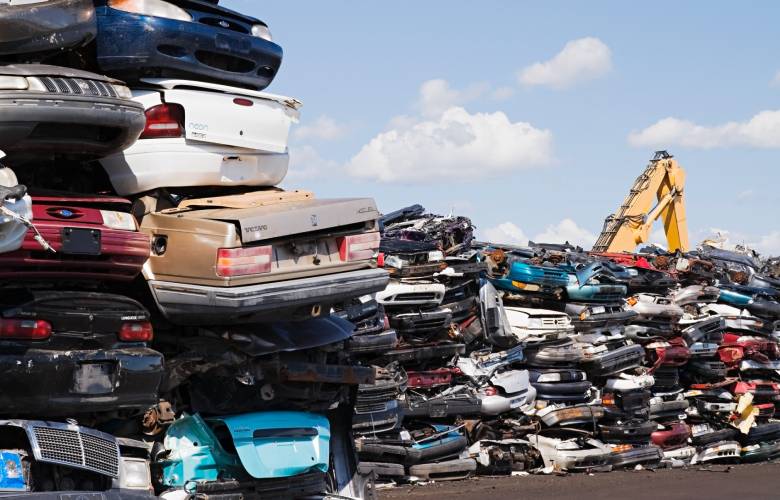
Overview of Scrap Car Industry in Singapore
Current State of the Scrap Car Industry
The scrap car industry in Singapore is experiencing a transformative phase, driven by evolving regulations and increasing environmental awareness. Several companies specialize in vehicle dismantling and recycling, ensuring that end-of-life vehicles are processed efficiently. In general, this sector has been buoyed by the government’s Vehicle Scrapping Programme, which encourages car owners to part with older vehicles and receive monetary benefits, such as the Cash-for-Clunkers scheme.
- Over 70,000 vehicles were scrapped in the past year alone
- The industry's growth is closely tied to the changing dynamics of vehicle ownership
Importance of the Scrap Car Industry in Singapore
The significance of the scrap car industry cannot be understated, given its contributions to both the economy and the environment. It plays a vital role in resource recovery and waste reduction, aligning with Singapore's goal of sustainable development. Some key points highlighting its importance include:
- Economic Impact: The scrap car industry generates employment opportunities and supports local businesses.
- Environmental Benefits: Recycling reduces greenhouse gas emissions and curtails the need for raw material extraction.
- Resource Management: It facilitates the reuse of valuable materials, such as metals and plastics, helping to create a circular economy.
In essence, the scrap car industry stands as a crucial component of Singapore's commitment to sustainability, creating a ripple effect that benefits society at large.

Trends in the Singapore Scrap Car Industry
Emerging Technologies Impacting the Industry
The landscape of the scrap car industry in Singapore is evolving, driven by technological advancements that enhance efficiency and safety. With companies embracing innovation, new technologies are reshaping traditional practices. For example, digital platforms for vehicle appraisal facilitate quicker, more accurate valuations, greatly benefiting car owners when scrapping their vehicles.
- Data Analytics: Companies are leveraging data analytics to predict scrap rates and optimize inventory management.
- Blockchain for Transparency: Some players are exploring blockchain technology to enhance transparency in transactions and tracking of recycled materials.
Sustainability Initiatives and Green Practices
Additionally, sustainability remains a core focus in the industry, aligning with Singapore’s vision of an eco-friendly future. Many scrap yards are adopting green practices to minimize their environmental footprint. Key initiatives include:
- Zero-Waste Policies: Scrap companies are implementing strategies to ensure maximum resource recovery, aiming for zero waste.
- E-waste Recycling: As electronic vehicles gain popularity, the recycling of electronic components is becoming crucial.
- Public Awareness Campaigns: Industry stakeholders are promoting the benefits of recycling through campaigns that educate the public about the importance of responsible vehicle disposal.
These trends highlight an encouraging shift toward a more sustainable and technologically advanced scrap car industry in Singapore, positioning it for a resilient and eco-conscious future.

Opportunities in the Scrap Car Business
Resale of Scrap Car Parts
As the scrap car industry in Singapore evolves, one of the most lucrative opportunities arises from the resale of scrap car parts. Many components from scrapped vehicles can be refurbished and sold, offering cost-effective options for car owners looking for replacement parts. This practice not only promotes economic sustainability but also supports local mechanics and car enthusiasts.
- High Demand for Used Parts: Items like engines, transmissions, and body panels are often sought after in the market.
- Cost Savings: Buying used parts can save consumers up to 50% compared to buying new equivalents, making it an attractive option for budget-conscious owners.
- Environmental Impact: Reselling these parts reduces waste and minimizes the demand for new manufacturing, aligning with sustainability goals.
Recycling and Upcycling Opportunities
Beyond resale, there are significant recycling and upcycling opportunities in the scrap car business. Innovative individuals and companies are finding creative ways to repurpose materials from old vehicles, contributing to a circular economy. Some noteworthy avenues include:
- Creative Artwork: Artists and designers are transforming scrap metal and car parts into unique sculptures and furniture pieces.
- DIY Projects: Many hobbyists enjoy turning old car components into functional items for their homes, such as garden planters and decorative fixtures.
- Resource Recovery: Recovered materials, including metals and plastics, can be reintegrated into the manufacturing process, further enhancing sustainability.
In conclusion, the scrap car industry offers diverse opportunities for resale and creative repurposing, fostering both economic and environmental benefits in Singapore.
Challenges Faced by the Scrap Car Industry
Regulatory Hurdles
While the scrap car industry in Singapore presents numerous opportunities, it is not without its challenges. One of the most significant hurdles is navigating the complex regulatory landscape. The government has established strict laws regarding vehicle disposal and environmental protection, which, although necessary for sustainability, can be demanding for industry players.
- Compliance Requirements: Scrap yards must adhere to regulations regarding hazardous material management, such as batteries and fluids, which can be resource-intensive.
- Licensing: Obtaining the necessary licenses and permits can be bureaucratic and time-consuming, particularly for new entrants in the market.
- Constant Changes: Adapting to frequent updates in legislation can strain resources and require continuous staff training.
Competition and Market Dynamics
Another challenge stems from the competitive nature of the scrap car industry. With numerous players vying for market share, businesses must find ways to differentiate themselves to survive. This competitive landscape necessitates not only excellent customer service but also strategic pricing. Some factors affecting competition include:
- Price Fluctuations: The market for scrap materials can be volatile, affecting profitability and pricing strategies.
- Market Saturation: An increasing number of companies entering the scrap car market can lead to oversupply and diminished profit margins.
- Technological Advancements: Companies that resist adopting new technologies might fall behind their competitors, making it vital to invest in innovation continuously.
In summary, while regulatory uncertainties and competitive pressures pose challenges, they also drive the sector to evolve and adapt, ensuring a resilient future for the scrap car industry in Singapore.
Future Outlook and Growth Potential
Potential Growth Areas in the Industry
Looking ahead, the future of the scrap car industry in Singapore shows significant promise, particularly in several key growth areas. As urbanization increases and car ownership trends evolve, the demand for scrapping and recycling services is likely to rise. Emerging opportunities include:
- Electric Vehicle (EV) Dismantling: With the push for greener transportation, scrapping and recycling old electric vehicles presents untapped potential, particularly for their batteries and electrical components.
- Expansion of Recycling Facilities: Investing in advanced recycling facilities that can process a wider variety of materials efficiently could create a competitive edge in the market.
- Online Platforms for Part Resale: E-commerce platforms dedicated to selling used car parts are becoming increasingly popular, enabling easier access for consumers and creating new revenue streams for scrap yards.
Forecasted Trends and Opportunities
As we look further into the future, several trends can shape the scrap car industry:
- Increased Investment in Sustainable Technologies: Companies are expected to invest more in green technologies that improve material recovery rates and minimize environmental impacts.
- Digital Transformation: Enhancements in data analytics and automation technologies will likely lead to more efficient operations, from inventory management to customer interactions.
- Consumer Awareness and Participation: As public awareness around sustainability grows, more car owners may actively seek environmentally friendly disposal methods, increasing demand for reliable scrap services.
In conclusion, the prospect of the scrap car industry in Singapore is bright, underpinned by technological advancements and evolving market dynamics that can turn challenges into opportunities for growth.

Key Players and Stakeholders in the Singapore Scrap Car Industry
Government Agencies and Regulations
The Singaporean government plays a critical role in shaping the scrap car industry through various agencies and regulations. The Land Transport Authority (LTA) is at the forefront, overseeing vehicle registration, scrapping, and environmental safety standards. Regulations set by the LTA ensure that scrap cars are disposed of in an environmentally friendly manner. Key points to note include:
- Vehicle Scrapping Policies: Programs like the Vehicle End-of-Life Management (VELM) guide industry practices.
- Incentives for Owners: Financial incentives for car owners to scrap old vehicles encourage responsible disposal and reduce the number of aging cars on the roads.
- Monitoring and Compliance: The government enforces licensing requirements for scrap dealers, enhancing accountability and transparency in the industry.
Major Companies and Service Providers
Alongside government institutions, various major companies and service providers are integral to the scrap car ecosystem. Leading players include specialized scrap yards and recycling companies that offer end-of-life vehicle services.
- Established Scrap Yards: Companies like Esun International Pte Ltd, Hup Lee Leong Hardware Pte Ltd, Kheng Keng Auto Pte Ltd provide comprehensive dismantling and recycling services.
- Automotive Recycling Firms: These organizations focus on recovering and reselling usable parts, catering to a market that values sustainability.
- Technology-Driven Startups: New entrants are leveraging technology to streamline operations, enhance customer experience, and expand their services online.
Together, these stakeholders—government agencies and private companies—form a robust framework that supports the thriving scrap car industry in Singapore, working collaboratively to promote sustainability and responsible vehicle disposal.
Sustainability Practices in the Scrap Car Sector
Environmental Impact of Scrap Car Disposal
The environmental impact of scrap car disposal is a crucial consideration for the industry and society. When vehicles reach the end of their life cycle and are disposed of improperly, significant environmental hazards can arise. Toxic substances, such as battery acid, oils, and heavy metals, can leach into the soil and water systems, posing risks to wildlife and public health.
- Landfill Concerns: Dumping scrap cars contributes to landfill overcrowding and the depletion of valuable resources.
- Pollution: Improper disposal can lead to air and water pollution from harmful chemicals.
- Resource Waste: The failure to recycle materials results in wasted opportunities for resource recovery.
Sustainable Practices and Circular Economy Approach
To combat these issues, the scrap car sector is increasingly adopting sustainable practices aligned with the principles of a circular economy. This approach emphasizes recycling, reusing, and minimizing waste, creating a more sustainable lifecycle for vehicles. Key sustainable practices include:
- Responsible Recycling: Scrap yards are implementing processes to recover valuable materials, such as steel, aluminum, and plastics, which can be repurposed in new manufacturing.
- Eco-Friendly Dismantling: Many companies now prioritize safe dismantling methods, ensuring that hazardous materials are handled properly and disposed of responsibly.
- Community Engagement: Initiatives that raise awareness about the benefits of recycling and responsible disposal are gaining traction, encouraging public participation.
By embracing these sustainable practices, the scrap car sector not only mitigates environmental impact but also contributes to a greener and more circular economy, ensuring resources are utilized wisely for future generations.

Opportunities for Innovation and Technological Advancements
Digital Solutions for Scrap Car Disposal
In today’s fast-paced technological landscape, the scrap car industry in Singapore has a wealth of opportunities for innovation, particularly through digital solutions. As car owners increasingly seek modern and convenient methods for vehicle disposal, digital platforms have emerged to streamline the entire process.
- Online Valuation Tools: Websites and mobile apps allow users to receive immediate quotes for their scrap vehicles, eliminating the need for time-consuming appraisals.
- E-commerce for Parts: Digital marketplaces specifically for used car parts enable scrap yards to connect with potential buyers, maximizing the resale value of salvaged items.
- Efficient Scheduling Systems: Companies are utilizing software to facilitate pick-up services for scrap cars, making the disposal process seamless for customers.
AI and Automation in Scrap Car Recycling
On the technological frontier, artificial intelligence (AI) and automation are revolutionizing scrap car recycling operations. These advancements can enhance efficiency, accuracy, and safety throughout the recycling chain.
- Automated Dismantling: Robotics can be deployed to safely dismantle vehicles, ensuring precision and significantly reducing labor costs and injury risks.
- AI Sorting: Intelligent sorting systems can accurately categorize parts for reuse or recycling, optimizing resource recovery.
- Predictive Analytics: Using AI to analyze trends in scrap metal pricing helps businesses make informed decisions about when to sell recovered materials, maximizing profits.
These digital solutions and technological advancements present exciting opportunities for the scrap car sector, fostering improvements in efficiency, profitability, and sustainability while enhancing the customer experience. The integration of these innovative practices creates a forward-thinking environment that could redefine the industry's future in Singapore.
Case Studies and Success Stories in the Singapore Scrap Car Industry
Exemplary Businesses and Models
In the dynamic landscape of Singapore's scrap car industry, several exemplary businesses have set the standard for best practices and innovative operations. One standout is Hup Heng Metal, a leading scrap yard known for its commitment to eco-friendly recycling processes and customer service.
- Innovative Vehicle Dismantling: Employs state-of-the-art technology for dismantling cars, ensuring that materials are recovered efficiently while minimizing environmental impact.
- Community Engagement: Actively participate in community clean-up campaigns, promoting awareness about the importance of recycling and responsible vehicle disposal.
Impactful Initiatives and Projects
In addition to individual businesses, impactful initiatives have emerged within the scrap car industry. One noteworthy project is the Singapore Green Plan, which promotes sustainability through responsible waste management practices.
- Collaboration with Educational Institutions: Partners with local universities facilitate hands-on projects where students learn about recycling technologies and sustainability efforts within the industry.
- Public Awareness Campaigns: Initiatives designed to educate the public about the benefits of vehicle recycling and its positive environmental impact have garnered significant community engagement and participation.
These case studies and initiatives illustrate the potential for growth and innovation within the scrap car sector, showcasing how businesses can adopt sustainable practices while positively impacting their communities. As the industry evolves, such examples will undoubtedly inspire others to embrace similar paths toward success.
Conclusion and Key Takeaways
Summary of Insights
In exploring the landscape of the scrap car industry in Singapore, several key insights emerge that underline its significance and potential. The industry plays a pivotal role not only in waste management and environmental sustainability but also in economic growth and community engagement.
- Emphasis on Sustainability: The adoption of sustainable practices and a circular economy approach demonstrates a commitment to environmental stewardship.
- Technological Innovations: Digital solutions and AI/automation have begun to transform scrap car processing, improving efficiency and customer service.
- Stakeholder Collaboration: The synergy between government agencies, businesses, and community initiatives fosters an ecosystem focused on responsible waste management.
Future Prospects for the Scrap Car Industry
Looking ahead, the future of Singapore's scrap car industry appears promising. With continuous advancements in technology and growing public awareness of sustainability, several opportunities are on the horizon.
- Emerging Markets: As the popularity of electric vehicles rises, new challenges and opportunities related to EV recycling will surface.
- Enhanced Regulations: Expect more supportive policies that encourage best practices among scrap car businesses, driving industry growth.
- Consumer Engagement: With growing public participation in recycling initiatives, the industry is likely to see increased demand for responsible disposal services.
In conclusion, the scrap car industry in Singapore is poised for innovation and expansion, bolstered by collaborative efforts and a strong focus on sustainability, ensuring a cleaner, greener future for all.