
Introduction
Understanding Customer-Centric Motor Services
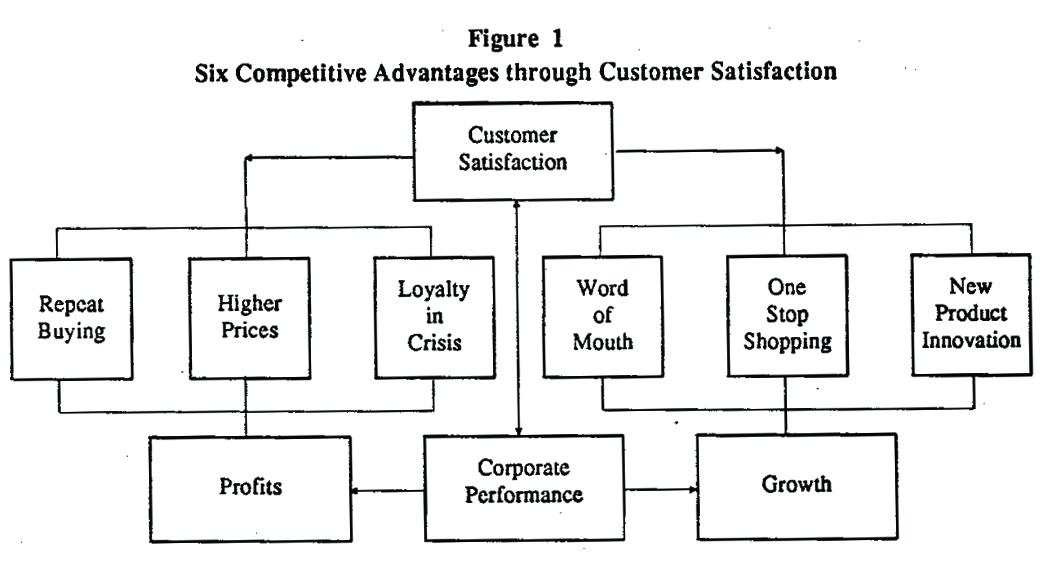
Customer-centric motor services focus on tailoring offerings to meet the diverse needs of vehicle owners. Imagine walking into a service center and feeling valued, like the staff understand you personally. It’s not just about fixing cars; it’s about building relationships. Such experiences foster customer loyalty and ensure repeat business, which is critical in today’s competitive market.
Significance of Customer Satisfaction in Motor Industry
In the motor industry, customer satisfaction plays a pivotal role. Why? Here are a few reasons:
- Repeat Business: Satisfied customers are more likely to return.
- Referral Opportunities: They recommend services to friends and family.
- Positive Reputation: Happy customers contribute to a strong brand image.
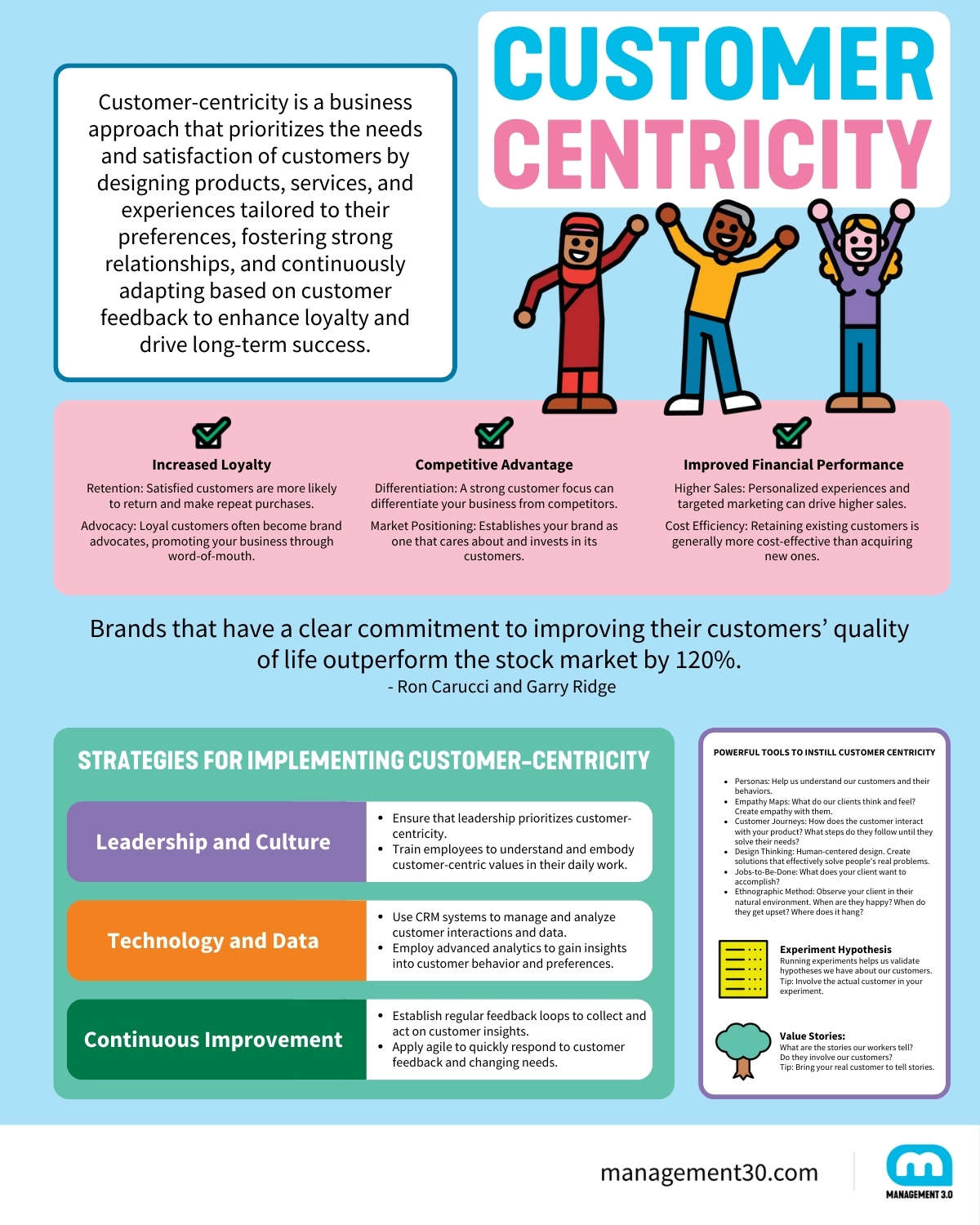
Creating a culture centered around customers not only boosts business but enhances overall industry standards.
Evolution of Customer Services in Singapore
Historical Perspective of Motor Services
In Singapore, motor services have drastically evolved over the decades. Initially, they focused primarily on essential repairs and maintenance, often leaving customers feeling like just another job on the list. For instance, the local workshops once operated in a very straightforward manner, focusing on speed but often neglecting customer engagement.
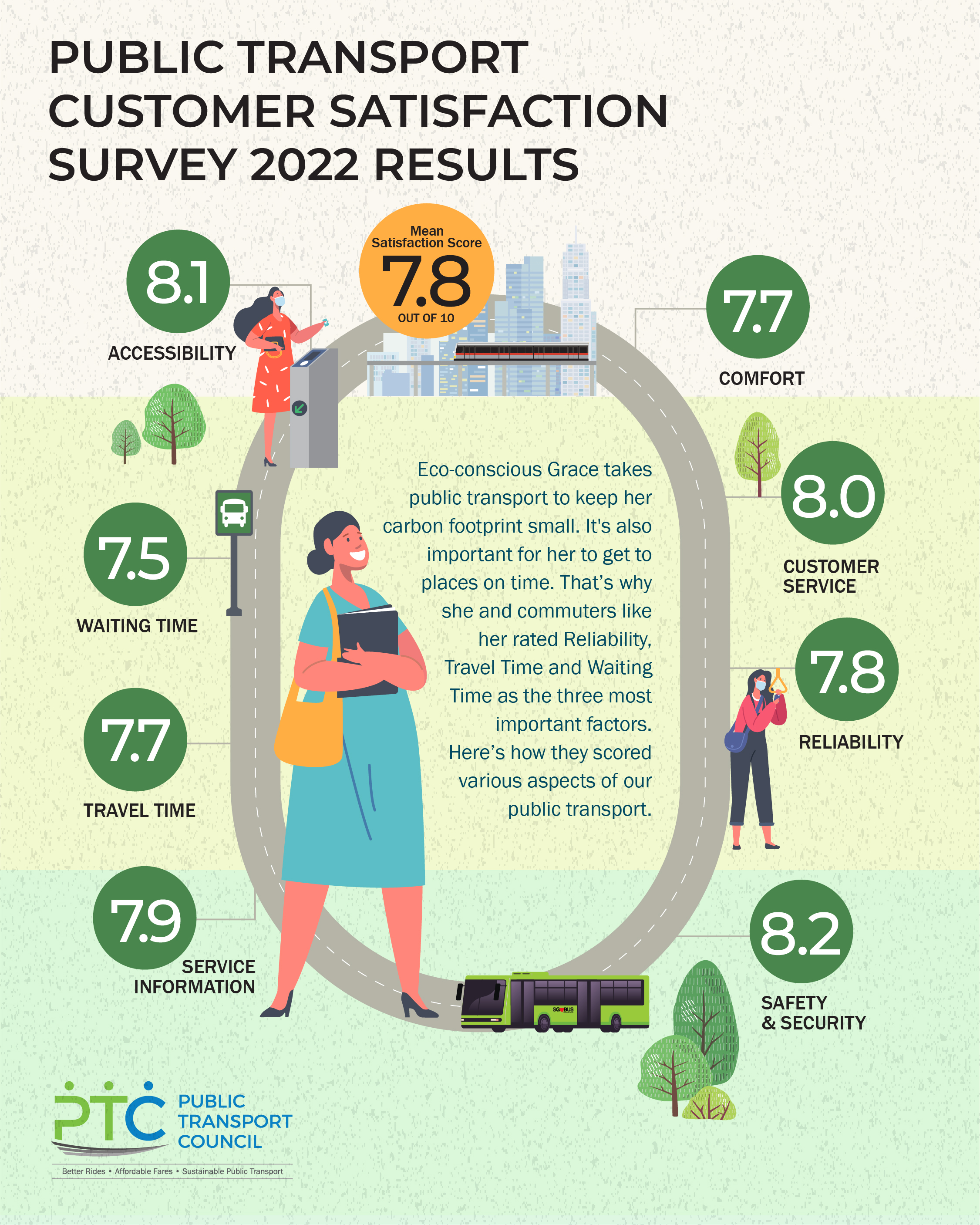
Shifting Trends towards Customer-Centric Approaches
Recently, however, there has been a significant shift toward customer-centric approaches in the industry. This transformation manifests in:
- Personalized Experiences: Service providers now strive to know their customers’ preferences.
- Enhanced Communication: Regular updates and follow-ups are common, making customers feel involved.
- Feedback Mechanisms: Customers are encouraged to share their experiences, fostering an atmosphere of continuous improvement.
These changes ensure that car owners in Singapore now enjoy a more fulfilling service experience, tailoring their needs with greater responsiveness.
Importance of Customer-Centric Motor Services
Enhancing Customer Experience
The essence of customer-centric motor services lies in enhancing the overall customer experience. Imagine stepping into a service center where the staff remembers your name and car’s history. This personal touch not only makes customers feel valued but also creates a memorable experience. Key elements include:
- Customized Solutions: Offering tailored services based on individual vehicle needs.
- Comfortable Environment: Creating a welcoming waiting area with amenities can make a difference.
- Timeliness: Respecting customers’ time through efficient service keeps them happy.
Building Brand Loyalty and Trust
When customers have positive experiences, they develop a sense of loyalty. Trust is pivotal in the motor industry; customers rely on service providers to keep their vehicles safe and reliable. A few strategies that build this trust include:
- Transparent Pricing: Clear, upfront costs foster honesty.
- Consistent Follow-ups: Checking in after service shows care.
- Resolving Issues Promptly: Actively addressing concerns strengthens bonds.
By focusing on these aspects, service providers can cultivate lasting relationships with their customers.
Strategies for Implementing Customer-Centric Approach
Personalized Service Offerings
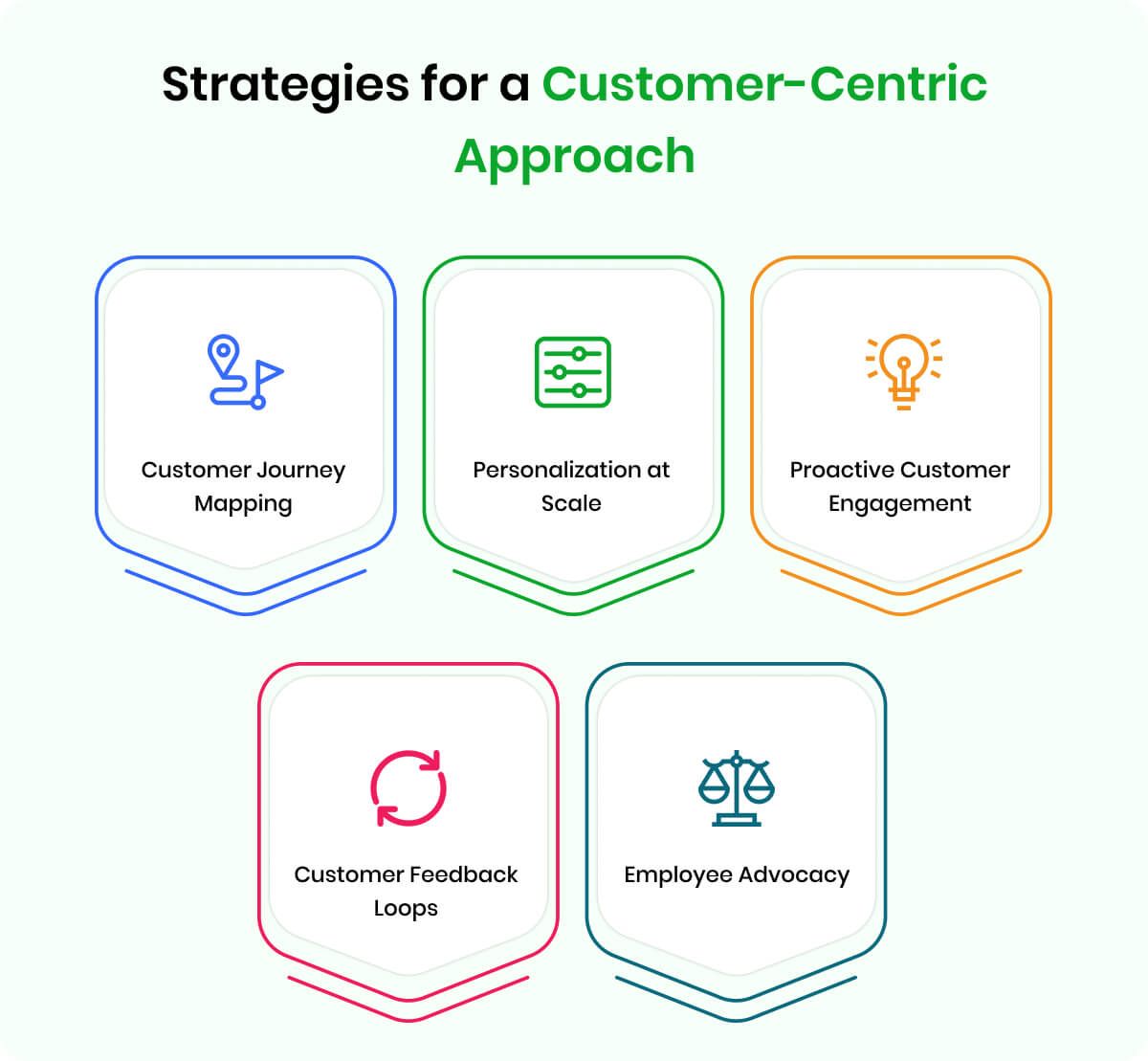
Implementing a customer-centric approach begins with personalized service offerings. Imagine arriving at your service center and the technician recalls your previous visits and specific vehicle quirks. This tailored approach can include:
- Customized Maintenance Plans: Offering services based on driving patterns and vehicle performance.
- Loyalty Programs: Rewarding repeat customers with discounts or special offers.
- Specialized Recommendations: Suggesting parts or services aligned with the customer’s vehicle history.
These strategies not only enhance satisfaction but also ensure that customers feel genuinely catered to.
Effective Communication Channels
Next, effective communication is crucial in establishing a customer-centric environment. Setting up multiple channels helps customers reach out seamlessly. Consider the following methods:
- Online Booking Systems: Allowing easy scheduling enhances convenience.
- Real-Time Updates: Sending text or app notifications about service status keeps customers informed.
- Feedback Platforms: Encouraging reviews through simple surveys helps improve service continuously.
By prioritizing personalized offerings and establishing strong communication channels, motor service providers can forge stronger connections with their customers.
Technology and Innovation in Motor Services
Impact of Technological Advancements
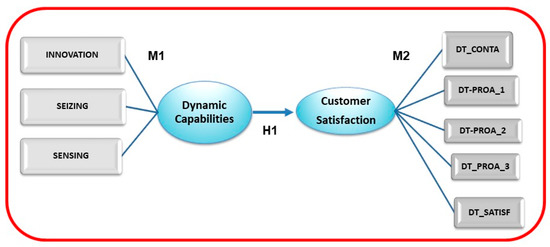
In today’s motor services landscape, technological advancements play a pivotal role in enhancing efficiency and customer satisfaction. Picture a world where vehicle diagnostics happen in real-time, notifying technicians of issues before customers even step foot in the garage. This proactive approach is made possible through:
- Advanced Diagnostic Tools: Devices that quickly assess vehicle health.
- AI Analytics: Utilizing data to predict maintenance needs.
- Mobile Apps: Apps providing customers with vehicle information at their fingertips.
These innovations not only streamline operations but also elevate the overall service experience.
Integration of Digital Solutions for Customer Convenience
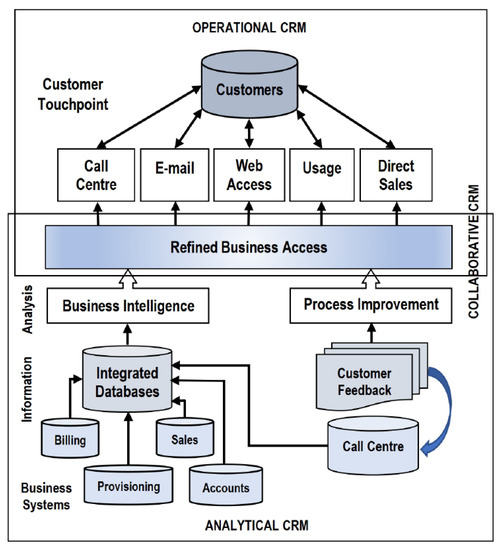
To further enhance convenience, integrating digital solutions is essential. Imagine booking your car service from the comfort of your home with just a few taps on your phone. This convenience can include:
- Online Appointment Scheduling: Avoiding long waiting times.
- 24/7 Customer Support: Chatbots available to answer queries at any time.
- Virtual Inspections: Allowing customers to view vehicle status through live feeds.
These digital solutions not only simplify processes but also strengthen the customer-provider relationship in the motor services industry.
Case Studies: Successful Implementation of Customer-Centric Strategies
Leading Motor Service Providers in Singapore
In Singapore, several motor service providers have excelled at implementing customer-centric strategies. For example, CarService.com has revolutionized customer engagement with their innovative online platform that allows users to schedule appointments and receive personalized service recommendations. This approach not only enhances convenience but also builds trust among their clients.
- Example: Their “Car Health Check” feature provides tailored maintenance schedules based on individual vehicle usage, ensuring customers feel informed and valued.
Customer Feedback and Testimonials
Customer feedback plays a crucial role in refining these services. Positive testimonials often highlight the impact of personalized attention.
- Anecdote: One customer mentioned how their service technician remembered their last visit and suggested new tires based on driving habits, creating a lasting impression.
Such feedback encourages continuous improvement and showcases the effectiveness of customer-centric strategies, ultimately fostering a loyal customer base.
Challenges and Solutions in Embracing Customer-Centric Practices
Overcoming Resistance to Change
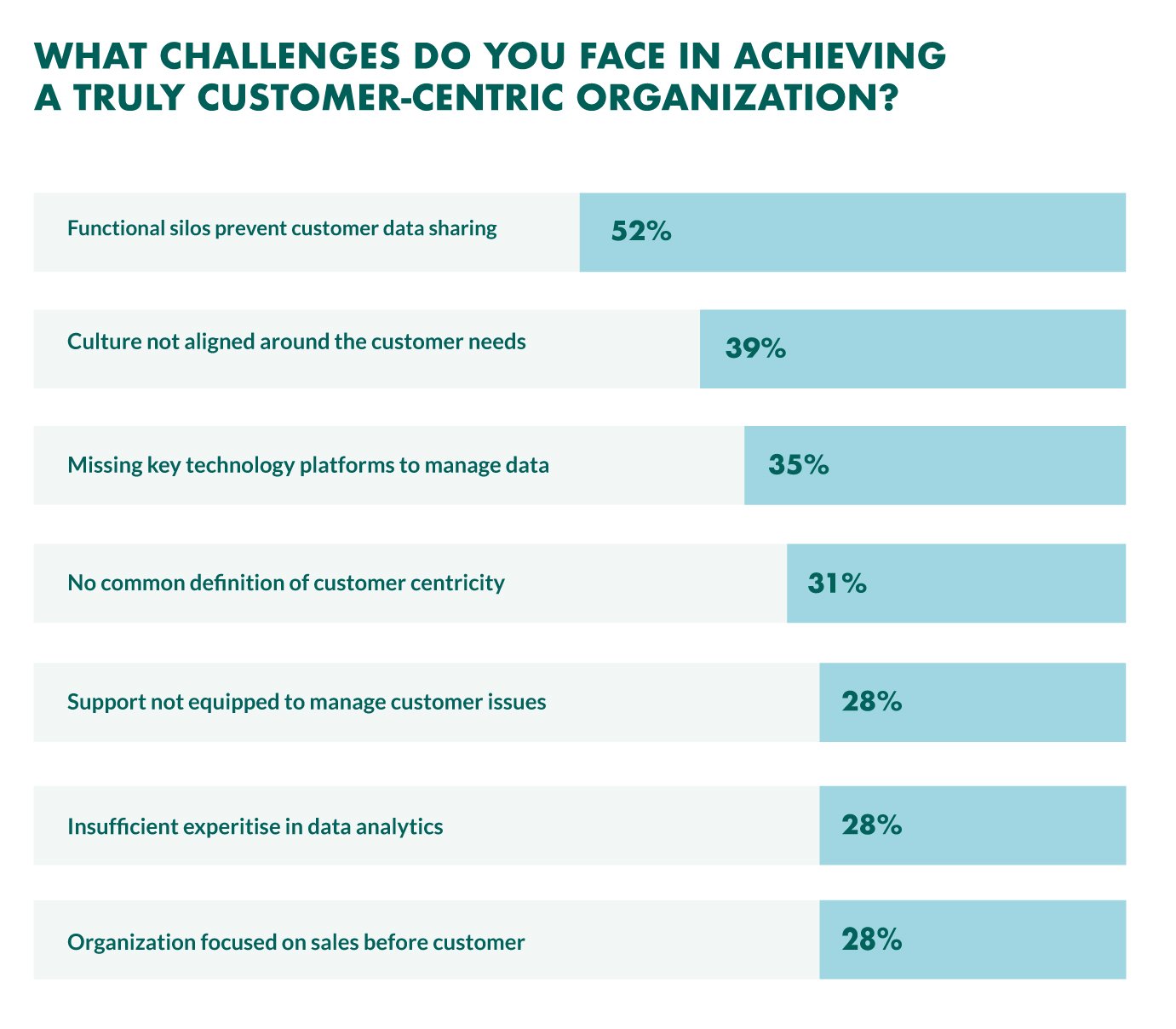
Despite the benefits of a customer-centric approach, many motor service providers face resistance to change within their teams. Staff accustomed to traditional methods may hesitate to adapt. To navigate this challenge, clear communication and training are essential. For instance:
- Workshops: Organizing regular training sessions can empower staff to embrace new technologies and customer engagement strategies.
- Incentives: Offering rewards for employees who successfully implement customer-focused practices can motivate participation.
This kind of proactive approach fosters a culture that values customer experience.
Addressing Service Quality Concerns
Another significant challenge is ensuring consistent service quality. Customers expect high standards, and any slip can damage trust. To address this, service providers can implement:
- Standard Operating Procedures (SOPs): Creating clear guidelines ensures every team member understands quality benchmarks.
- Regular Audits: Conducting frequent service evaluations can help identify areas for improvement.
By actively tackling these challenges, motor service providers pave the way for successful customer-centric practices, enhancing overall satisfaction.
Future Trends in Customer-Centric Motor Services
Predictions for the Motor Industry
As we look ahead, several key trends are expected to shape the future of customer-centric motor services. With advancements in technology, we can anticipate:
- Increased Automation: AI-driven systems to handle bookings and customer inquiries will gain traction.
- Data-Driven Insights: Businesses will leverage customer data to offer more personalized services which resonate with individual needs.
These changes will empower service providers to meet and exceed customer expectations.
Embracing a Customer-First Culture
To thrive in this evolving landscape, embracing a customer-first culture will be pivotal. Companies must prioritize:
- Employee Engagement: Cultivating an environment where team members feel motivated to serve clients well.
- Feedback Integration: Regularly collecting and implementing client suggestions can nurture loyalty.
By cultivating this culture, motor service providers will be equipped to build lasting relationships and foster customer satisfaction long into the future.

Conclusion
Recap of Key Points
In summary, customer-centric motor services are essential for building meaningful relationships between service providers and their clients. We’ve explored how:
- Innovative technologies enhance service efficiency and customer engagement.
- Personalization and effective communication are vital for a superior customer experience.
- Overcoming challenges such as resistance to change and maintaining service quality is crucial for success.
Final Remarks on Customer-Centric Motor Services
As the motor industry continues to evolve, embracing a customer-first philosophy will set successful companies apart. By prioritizing customer needs and adapting to their preferences, service providers can ensure long-term loyalty and satisfaction. Ultimately, a commitment to enhancing every aspect of the customer experience is what will drive future success in the industry.