
Understanding Tire Pressure
What is Tire Pressure?
Tire pressure refers to the amount of air inside a tire, measured in pounds per square inch (PSI). It plays a pivotal role in vehicle safety, handling, and fuel efficiency. A personal experience with a flat tire can highlight this—one day, a driver noticed their steering felt unresponsive. A quick check revealed low tire pressure, proving that maintaining the right PSI is crucial for performance.
Why is Tire Pressure Important?
Maintaining proper tire pressure is essential for several reasons:
- Safety: Under-inflated tires can lead to blowouts, while over-inflated tires may decrease vehicle control.
- Fuel Efficiency: Properly inflated tires contribute to better gas mileage.
- Tire Longevity: Adequate pressure extends tire life by preventing uneven wear.
Understanding these facets can make a significant difference in driving comfort and safety.
Checking Tire Pressure
How to Check Tire Pressure
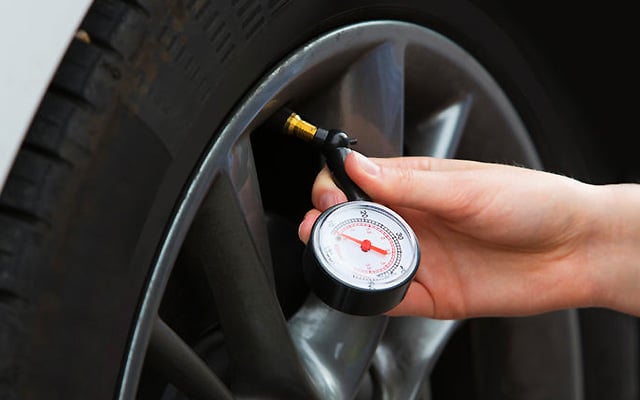
Now that one understands the importance of tire pressure, the next step is knowing how to check it effectively. Utilizing a tire pressure gauge can be straightforward and quick. For instance, after a weekend road trip, one driver made it a habit to check their tire pressure to ensure safety for the week ahead.
Steps to Check Tire Pressure
Here’s a simple guide to checking tire pressure:
- Gather Your Tools: You’ll need a reliable tire pressure gauge.
- Wait for the Right Time: Check the pressure when tires are cold for the most accurate reading.
- Remove the Valve Cap: Unscrew the cap on the tire’s valve stem.
- Press the Gauge Firmly: Place the gauge on the valve stem and press down quickly.
- Read the Measurement: Note the PSI reading on the gauge.
- Replace the Valve Cap: Don’t forget to put the cap back to avoid dirt contamination.
By incorporating regular checks into a routine, like checking oil levels or wiper fluid, drivers can enjoy peace of mind on the road.
Interpreting Tire Pressure Readings
Understanding the Numbers
With the tire pressure gauge in hand, understanding what those numbers mean is the next crucial step. Returning to the same road trip enthusiast, after a few readings, they realized that each tire pressure number provides insights into their vehicle's condition and safety.
What Do the Readings Indicate?
- Above Recommended PSI: If the reading is significantly higher than the recommended pressure, it can lead to decreased tire lifespan and reduced traction, particularly in wet conditions.
- Below Recommended PSI: A lower reading indicates under-inflation, which can cause poor fuel efficiency and handling issues. In fact, many drivers may notice the car feels ‘heavier’ or takes longer to stop when tires are under-inflated.
- Just Right: When the PSI matches the vehicle manufacturer's recommendation (often found on the driver’s door or in the manual), it means everything is functioning optimally.
By paying attention to these readings, drivers can make informed adjustments and keep their vehicles running smoothly.
Benefits of Maintaining Correct Tire Pressure
Why It Matters
Understanding the advantages of maintaining correct tire pressure can significantly enhance the driving experience. One driver recalled the moment they transitioned from regularly checking their tire PSI to prioritizing it—they noticed a dramatic improvement in their car's performance and fuel efficiency.
Key Benefits
Here are the essential benefits of keeping tires inflated to the right pressure:
- Enhanced Safety: Properly inflated tires reduce the risk of blowouts and improve vehicle stability.
- Improved Fuel Economy: Correct PSI can boost fuel efficiency, saving money on gas—a major plus during long commutes or road trips.
- Longer Tire Life: Consistent maintenance prevents uneven wear, extending the lifespan of tires.
- Better Handling: Accurate pressure leads to superior traction and responsiveness, enhancing overall driving comfort and control.
By embracing these benefits, drivers can enjoy a safer, more efficient journey every time they hit the road.
Tips for Maintaining Optimal Tire Pressure
Staying Proactive
To enjoy all the benefits of maintaining correct tire pressure, implementing a few simple tips can make a significant difference. After a friend experienced better ride quality after being diligent about checking tire pressure weekly, it became a shared best practice among their circle.
Practical Tips
Here are a few effective tips to ensure optimal tire pressure:
- Regular Checks: Aim to check your tire pressure at least once a month or before long trips.
- Invest in a Good Gauge: A reliable tire pressure gauge can simplify the process and improve accuracy.
- Monitor Temperature Changes: Be aware that temperature fluctuations can affect PSI; tires typically lose 1 PSI for every 10°F drop in temperature.
- Know Your Recommended Pressure: Familiarize yourself with your vehicle's recommended PSI, usually found on the driver’s side doorframe or in the owner’s manual.
- Adjust When Cold: Always check tire pressure when tires are cold for the most accurate readings.
Incorporating these tips can easily lead to improved vehicle performance and safety on the road.