
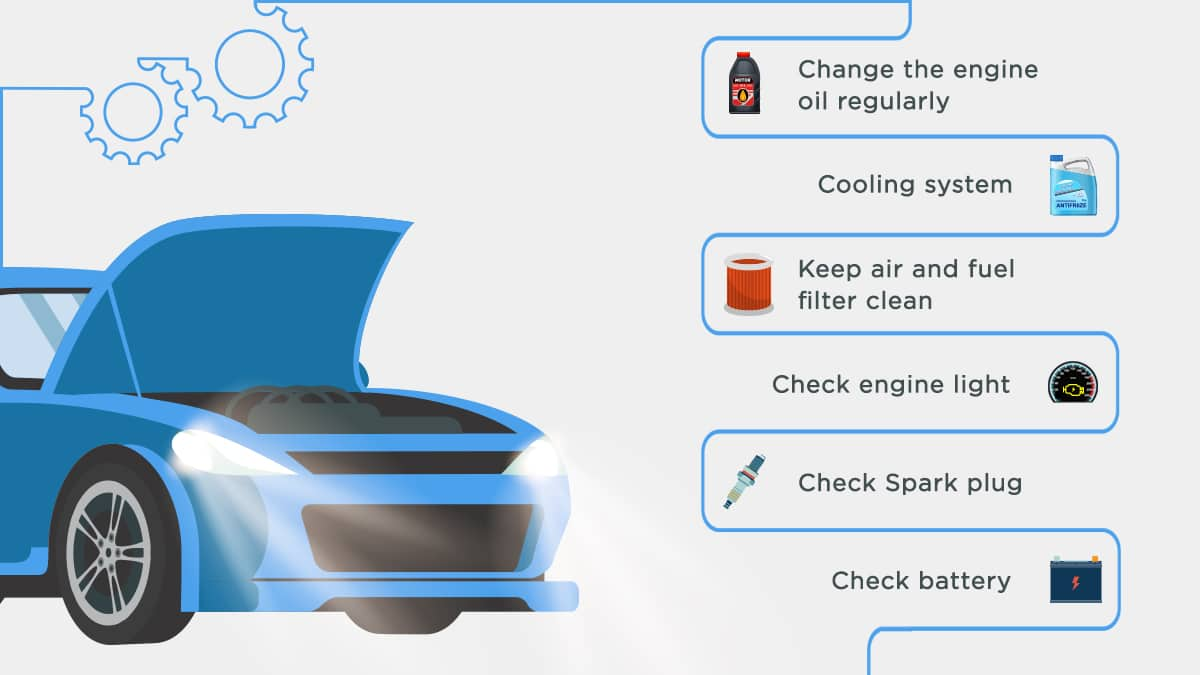
Importance of Car Cooling System Maintenance
Why Regular Maintenance is Crucial
Maintaining your car's cooling system is not just a suggestion; it’s a necessity. Regular maintenance ensures that your engine runs efficiently, preventing undesirable breakdowns. Just like how you wouldn’t skip your periodic health check-ups, your car deserves the same attention! This includes:
- Checking coolant levels: Essential for maintaining optimal engine temperature.
- Inspecting hoses and connections: This prevents leaks and potential system failures.
Neglecting these simple tasks can lead to costly repairs, not to mention the stress of being stranded on the road.
Impact of Neglecting Cooling System
Neglecting the cooling system can have dire consequences. Without proper maintenance, the cooling system may fail, leading to severe engine overheating, which can result in:
- Warped cylinder heads
- Blown gaskets
- Complete engine failure
These issues can significantly increase repair costs and may leave you with a car that is far from roadworthy. Regular care can save you time and money in the long run, ensuring smooth rides and peace of mind.
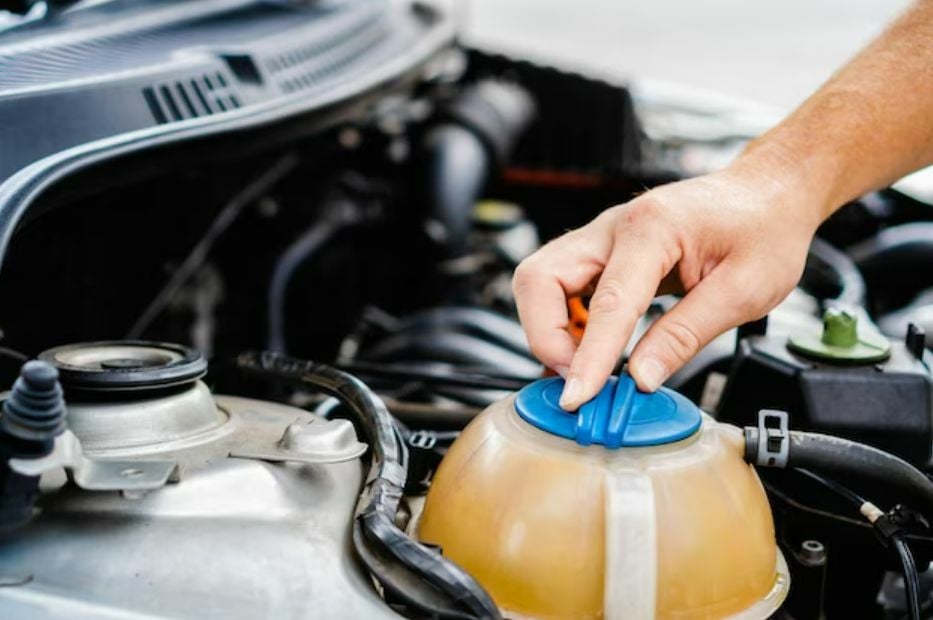
Understanding the Car's Cooling System
Components of a Car's Cooling System
To fully appreciate the importance of the cooling system, it helps to know its key components. Each part plays a vital role in keeping your engine from overheating. Here are the main players:
- Radiator: Cools down the coolant after it has absorbed heat from the engine.
- Water Pump: Circulates coolant throughout the engine and radiator.
- Thermostat: Regulates coolant flow based on the engine’s temperature.
- Hoses: Carry coolant to and from the engine, creating a closed loop.
Understanding these components allows drivers to recognize the potential signs of issues before they escalate into larger problems.
How the Cooling System Works
So, how does this system work? Picture this: As your engine runs, it generates heat. The coolant absorbs this heat and flows to the radiator, where it releases it into the air, thanks to airflow from the car moving or the radiator fan. It’s this continuous cycle that keeps your engine at an optimal temperature.
- Flow Sequence:
- Coolant absorbs heat from the engine.
- Heated coolant travels to the radiator.
- Air cools the coolant in the radiator.
- Cooler coolant returns to the engine.
Understanding this process highlights the importance of regular maintenance and checks, ensuring your cooling system operates seamlessly and keeps your engine in peak condition.

Tips for Keeping Your Car's Cooling System Healthy
Regularly Check Coolant Levels
Keeping an eye on your coolant levels is one of the simplest yet most effective ways to ensure the health of your cooling system. It is good practice to check coolant levels at least once a month, especially before long trips. Running low on coolant could lead to overheating and engine damage. Just a quick visual check can go a long way!
Inspect for Leaks and Damage
Next on the list is inspecting for leaks and damage. Look for any puddles beneath your car or wet spots on hoses. A few minutes of inspection can save hours of hassle down the line. Don’t forget to check:
- Hoses: Are they cracked or loose?
- Radiator: Any signs of corrosion or wear?
Flushing the Cooling System
Flushing the cooling system every couple of years removes built-up debris and sediment. It’s like giving your engine a refreshing drink! This practice helps maintain efficient cooling and prevents sludge from clogging components.
Monitoring Temperature Gauge
Lastly, keep an eye on the temperature gauge while driving. If you notice it creeping into the red zone, it’s time to pull over and investigate. Staying attuned to your car’s signals helps catch issues before they escalate, ensuring smoother, worry-free drives on the road.
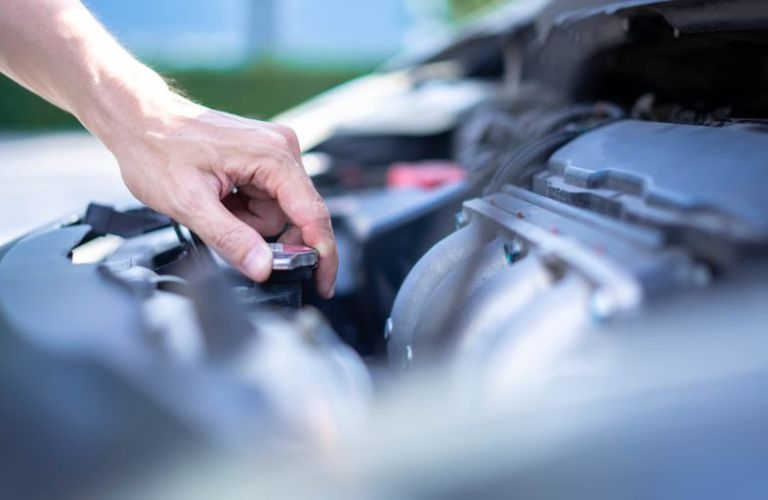
Signs of Cooling System Issues
Common Symptoms of Cooling System Problems
Recognizing the signs of cooling system issues can prevent severe damage to your vehicle. Here are some common symptoms to watch for:
- Overheating Engine: If the temperature gauge is consistently in the red, this is a clear warning.
- Coolant Leaks: Puddles of coolant under your car can indicate a leak, often visible as bright green or orange fluid.
- Steam from the Engine: If you see steam rising, it’s time to pull over immediately.
- Unusual Noises: Hearing hissing or bubbling sounds can signal trapped air or a failing water pump.
Being aware of these indicators can save you from costly repairs down the road.
When to Seek Professional Help
If you notice any of these symptoms, it's important to act quickly. While some issues may be manageable, other problems require professional insight. If:
- The engine continues to overheat after coolant checks
- You detect a persistent leak despite self-repair efforts
- Steam or smoke coming from the engine becomes alarming
it's best to consult a mechanic. Ignoring these signs can lead to engine damage and unwanted repair bills, so seeking professional help early is key to maintaining your car’s cooling system.