
Understanding Coolant Leaks
Definition and Causes of Coolant Leaks
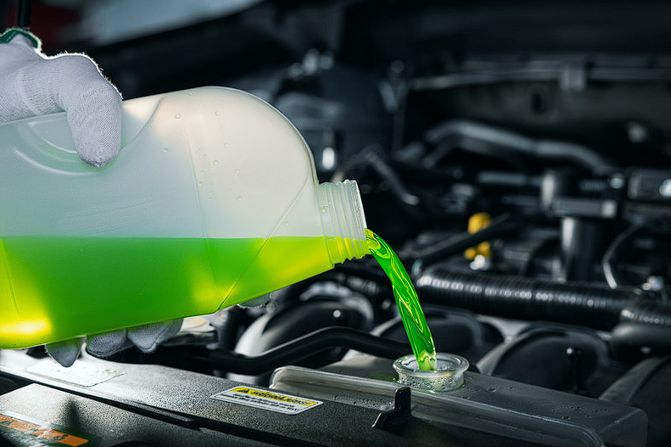
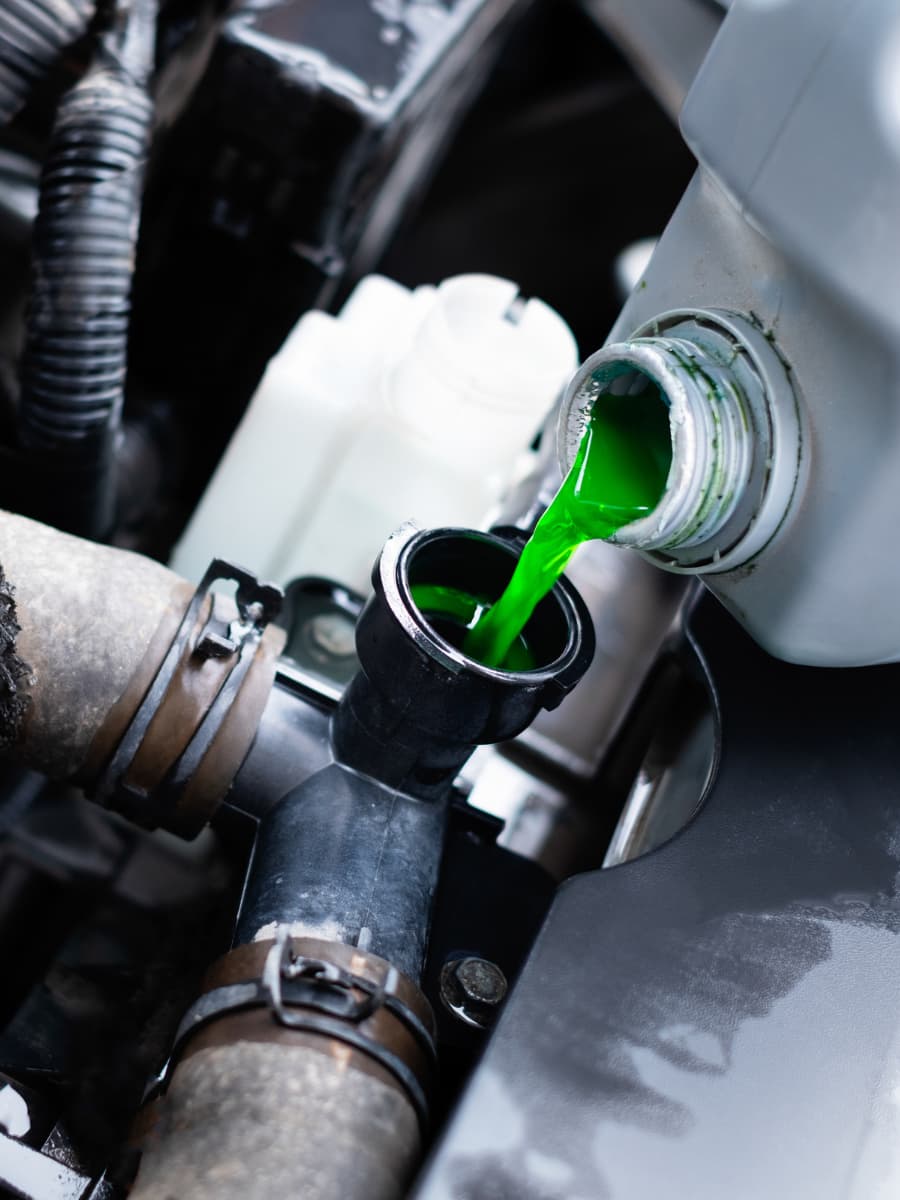
Coolant leaks occur when the liquid coolant, which plays a critical role in regulating your engine's temperature, escapes from the cooling system. This system includes components such as hoses, the radiator, and engine gaskets. When any part of this system malfunctions, it can lead to leaks that compromise the engine's cooling efficiency. There are various causes of coolant leaks:
- Worn Out Hoses: Over time, hoses can degrade due to heat, pressure, and exposure to corrosive substances, leading to cracks and leaks.
- Damaged Radiator: A radiator can suffer physical damage or corrosion, which may result in leaks. Road debris can also cause punctures that compromise the integrity of the radiator.
- Faulty Gaskets: Gaskets around engine parts can wear out or fail, resulting in leaks at their seams where two components meet.
- Loose or Damaged Clamps: Clamps that secure hoses can become loose due to vibration, age, or improper installation, causing coolant to escape.
Recognizing the various causes of coolant leaks is half the battle. Identifying the problem promptly can prevent more extensive repairs down the road.
Common Signs and Symptoms
Understanding the signs of a coolant leak is essential for all vehicle owners. Many may think that low coolant levels are normal during routine check-ups, but this could be a warning sign. Here are some common symptoms to watch out for:
- Puddles Under the Vehicle: A visible puddle under the front of the vehicle is one of the most obvious signs of a coolant leak. The coolant is typically bright green, orange, or pink, depending on the type.
- Temperature Gauge Warning: If the temperature gauge climbs higher than usual, it signifies an overheating engine, often due to coolant loss.
- Sweet Smell: Coolant has a distinct sweet smell. If you notice this scent, especially inside your car or around the engine area, it may indicate a leak.
- White Smoke from Exhaust: If your vehicle emits white smoke, it could mean coolant is leaking into the combustion chamber, often due to a blown head gasket.
Taking note of these signs can save your engine from costly damage. Regular inspections and maintenance are crucial in preventing problems associated with coolant leaks. By being vigilant, drivers can protect their investment and ensure their vehicle runs smoothly.
Risks Associated with Coolant Leaks
Understanding the risks associated with coolant leaks is pivotal for anyone who owns a vehicle. Neglecting to address a coolant leak can lead to severe consequences that go beyond the mechanics of your car.
Engine Overheating
One of the primary risks of coolant leaks is engine overheating. Coolant is designed to absorb excess heat generated by the engine, and when that fluid escapes, the engine can quickly overheat. Imagine driving along a busy highway when suddenly, the temperature gauge starts climbing. That’s your engine warning you that it’s in distress. Some signs of overheating include:
- Steam from Under the Hood: Often a clear indication that the engine is getting too hot.
- Loss of Power: The engine might struggle to accelerate or perform under load.
- Warning Lights: Modern vehicles have dashboards equipped with warning lights to notify drivers of overheating.
Allowing the engine to overheat can lead to irreversible damage, including warped cylinder heads and cracked engine blocks—costly repairs that every driver wants to avoid.
Damage to Engine Components
Coolant leaks can also cause significant damage to various engine components. When coolant escapes, it may come into contact with parts that are not designed to handle moisture, leading to corrosion and wear over time. Potentially affected components include:
- Head Gasket: A blown head gasket can allow coolant to enter the combustion chamber, causing white smoke and a loss of engine power.
- Water Pump: The water pump relies on a proper coolant level to function effectively. If the coolant is low due to a leak, the pump may fail, leading to further overheating.
Environmental Impact
Apart from mechanical issues, coolant leaks pose a serious environmental threat. Coolant is toxic to pets and wildlife, and when it drips onto the ground, it can contaminate soil and water sources. Here’s how coolant can impact the environment:
- Toxicity: Ethylene glycol, a primary component of many coolants, is highly toxic and poses a risk to animals and humans if ingested.
- Water Pollution: If coolant leaks into storm drains, it can pollute nearby water bodies, harming the ecosystem.
Addressing coolant leaks promptly not only safeguards your vehicle but also protects the environment. It’s a win-win situation: you maintain your car’s health while contributing to a healthier planet. So, keep an eye on those signs and ensure you’re proactive in maintaining your vehicle!
Detecting Coolant Leaks
Once you understand the risks associated with coolant leaks, the next step is detection. The earlier a leak is discovered, the easier and less expensive it is to fix. There are several methods to effectively detect coolant leaks, and each has its merits.
Visual Inspection
The first line of defense against coolant leaks is a simple visual inspection. Regularly checking your vehicle can help catch issues before they escalate. When conducting a visual inspection, look for the following signs:
- Puddles Under the Vehicle: Check for colored puddles under the engine area. Coolant is usually bright green, pink, or orange.
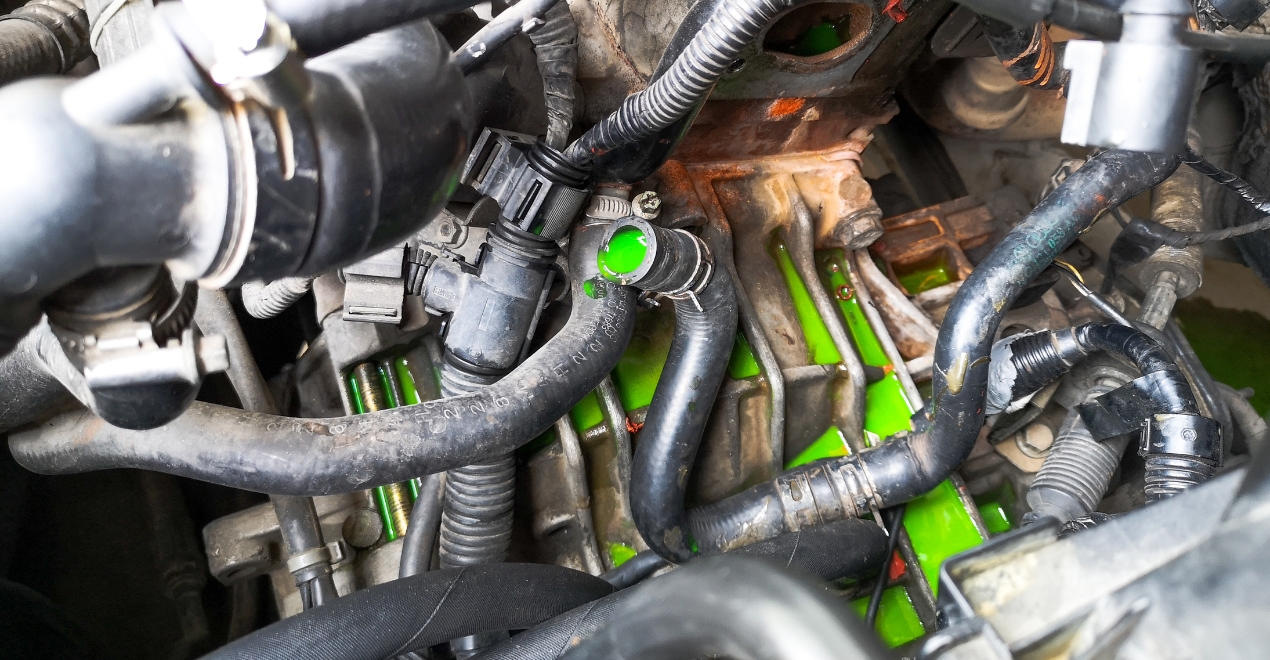
- Corroded or Wet Hoses: Inspect hoses for cracks, bulges, or signs of corrosion. Wipe your fingers along the hoses to feel for wetness or leaks.
- Radiator Condition: Examine the radiator for visible dents or signs of rust that may lead to leakage.
- Check Connection Points: Look for leaks around clamps where hoses connect to other parts, especially after the vehicle has been running and the engine is warm.
In my own experience, I was able to identify a coolant leak during an oil change. I noticed a specific area around the radiator was always wet, which led to a quick repair before it turned into a larger problem.
Using a Pressure Tester
For a more in-depth examination, using a pressure tester can be incredibly effective. This tool helps simulate the pressure conditions within the cooling system while the engine is off. Here’s how you can use it:
- Connect the Tester: Attach the pressure tester to the radiator or reservoir cap. Make sure to follow the manufacturer’s instructions closely.
- Pump Up the Pressure: Gradually pump the tool to increase the pressure to the recommended level.
- Observe: Carefully watch for any drops in pressure. If the pressure declines without starting the engine, it points to a leak somewhere in the system.
Using this method can be particularly revealing, as it allows you to spot leaks that aren’t readily visible.
Checking for White Smoke
Lastly, checking for white smoke coming from the exhaust is a crucial indicator of a more severe coolant leak. If you see white smoke, it likely means coolant is entering the combustion chamber, which indicates a serious issue such as a blown head gasket. Key things to note:
- Continuous White Smoke: If your vehicle emits white smoke consistently, especially during warming up, it's a sign of coolant leaking into the engine.
- Sweet Smell: This abnormal exhaust may also have a sweet odor due to the burning coolant.
Detecting coolant leaks doesn't have to be a daunting task. By performing routine inspections, using proper tools, and being vigilant about your vehicle’s symptoms, you can identify problems early on. Implement these methods in your vehicle maintenance routine, and you'll significantly increase the longevity and health of your engine.
Addressing Coolant Leaks
Having detected a coolant leak, the next step is to take action. Addressing coolant leaks promptly not only extends the life of your vehicle but also helps maintain optimal performance. Here’s how to effectively manage coolant leaks, from repairs to preventive measures.
Repairing Leaks
The first course of action when dealing with coolant leaks is to repair them. Depending on the severity and location of the leak, repairs can vary in complexity.
- Hose Replacement: If a hose is cracked or damaged, replacing it is often the most straightforward solution. Most auto parts stores carry a variety of hoses, and they're typically not too expensive.
- Radiator Repair: Small leaks in the radiator may be fixed with specially formulated sealants available at auto parts stores. However, for larger leaks, a full radiator replacement might be necessary.
- Gasket Replacement: If the leak is due to a failing gasket, it may require more in-depth repairs, including disassembly of engine components. This often necessitates the help of a professional mechanic.
In my experience, I recently found a small leak near a hose connection. A simple replacement fixed the problem, and I was back on the road without a big hassle.
Replacing Coolant
After you’ve repaired the leak, it’s vital to replace the coolant to ensure your engine runs smoothly. Always follow these steps:
- Drain the Old Coolant: If you’re replacing coolant yourself, make sure to properly drain the old fluid using a drain pan to collect it. You can dispose of it at a recycling center due to its toxic nature.
- Add New Coolant: Refill the system with the appropriate coolant type recommended for your vehicle, often a 50/50 mixture of coolant and distilled water.
- Bleed the System: This step removes any trapped air in the cooling system, which can lead to uneven heating. Many vehicles have a bleed valve specifically for this purpose.
By staying on top of coolant levels, you can evade overheating and further damage.
Preventive Maintenance Tips
Prevention is always better than a cure. Here are some practical preventive maintenance tips to keep your coolant system in top shape:
- Regular Inspections: Check coolant levels and conditions visually every month.
- Flush the System: Perform a coolant flush every 30,000 miles or as recommended in your vehicle's manual. This helps remove sediment and contaminants.
- Monitor Engine Temperature: Pay attention to your vehicle’s temperature gauge. If it consistently runs hot, it may signal issues in the cooling system.
- Seasonal Maintenance: Check hoses and the radiator before extreme weather conditions, as the temperature fluctuations can exacerbate wear and tear.
Incorporating these measures not only prolongs the life of your vehicle but also fosters a more enjoyable driving experience. By staying proactive, you can enjoy peace of mind knowing your car is well taken care of!