

Understanding Motor Insurance in Singapore
Overview of Motor Insurance
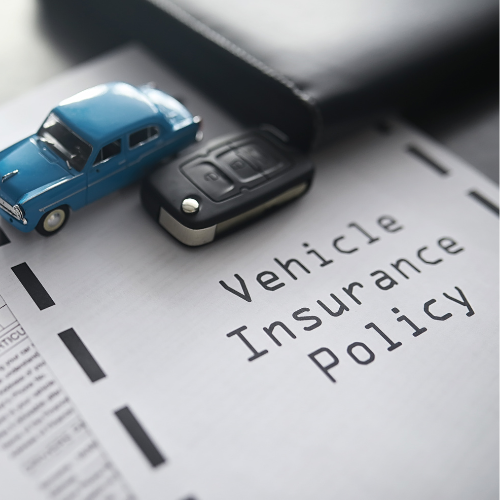
Motor insurance is an essential requirement for vehicle owners in Singapore, often viewed as an obligation rather than a choice. This financial protection safeguards individuals against losses arising from vehicular accidents, theft, and third-party liabilities. The legal framework mandates vehicle owners to possess at least a minimum level of coverage, ensuring that they are equipped to handle potential incidents on the road. In its simplest form, motor insurance comprises various policies that cater to different needs, thereby allowing individuals to select coverage that suits their specific requirements. These policies typically fall into three categories:
- Third-Party Only (TPO): Covers damages to third-party property and bodily injuries but does not cover the insured vehicle.
- Third-Party, Fire, and Theft: In addition to TPO coverage, this policy offers protection against fire and theft of the insured vehicle.
- Comprehensive Insurance: Provides extensive coverage, including damages to the insured vehicle, third-party liability, and protection against theft and fire.
These categories are designed to cater to a diverse range of potential scenarios faced by drivers in Singapore. As a vehicle owner, understanding each policy's intricacies can significantly influence the decision-making process during coverage selection.
Importance of Motor Insurance in Singapore
Motor insurance is not merely a legal requirement but also serves multiple critical functions that play a vital role in Singapore's highly urbanized and densely populated landscape. Here are some key reasons why motor insurance is indispensable for car owners:
- Legal Compliance: In Singapore, it is mandatory for all vehicle owners to have at least a Third-Party insurance policy. Driving without the required insurance can result in hefty fines and penalties, not to mention the legal complications that may arise in the event of an accident.
- Financial Protection: Motor insurance mitigates the financial burdens that can arise from accidents or collisions. For example, if one were to cause an accident that results in significant damages to another vehicle, the costs can easily escalate into thousands of dollars. Motor insurance can cover these expenses, sparing the policyholder from financial strain.
- Peace of Mind: Knowing that one is protected in case of an unexpected incident provides peace of mind. Whether it’s a minor fender bender or a major collision, having the right motor insurance makes individuals feel secure while driving.
- Protection Against Theft and Vandalism: Singapore, while generally safe, is not free from vehicle theft and vandalism. If you travel frequently to foreign country, usually your car insurance policy covers Singapore and Malaysia, up to 80.5km of the border between West Malaysia and Thailand. Comprehensive motor insurance can help recover losses resulting from such criminal activities, giving car owners a safety net.
To illustrate, take the story of a friend who recently experienced a minor collision. The accident involved a parked vehicle, and thankfully, their comprehensive insurance policy covered all costs associated with the repairs and even provided a loaner vehicle during the process. This experience underscored the true value of having robust motor insurance; it removed the stress related to unexpected financial repercussions. In summary, motor insurance in Singapore extends beyond mere compliance; it is a vital component that offers stability, protection, and peace of mind. Understanding the different policies available not only aids vehicle owners in making informed decisions but also ensures they are adequately protected on the road. With this foundation laid, the next logical step is to explore the various types of motor insurance policies that cater to the unique needs of Singaporean drivers.

Types of Motor Insurance Policies
Understanding the various types of motor insurance policies available is crucial for any vehicle owner looking to protect their investment and ensure peace of mind while driving. Each policy type comes with its own set of coverage and benefits, tailored to meet different needs and circumstances. Let's delve into the three primary motor insurance policies available in Singapore.
Third-Party Only (TPO) Insurance
Third-Party Only (TPO) insurance is the most basic form of motor insurance and is also the minimum legal requirement for all vehicle owners in Singapore. This policy covers damages caused to third-party property and any bodily injuries inflicted on third parties in an accident where the policyholder is at fault. However, it does not provide any coverage for damages to the insured vehicle. Key Features of TPO Insurance:
- Legal Compliance: Meeting the mandatory insurance requirement.
- Affordability: TPO policies tend to have lower premiums compared to more comprehensive options.
- Third-Party Coverage: Pays for damages to other vehicles or property and covers medical expenses for injured third parties.
However, while TPO offers essential protection, it leaves vehicle owners vulnerable to the costs incurred for repairs and injuries related to their own vehicles. For instance, a friend once opted for TPO insurance to save on premiums. Unfortunately, after a minor accident that damaged her car, she found herself paying out of pocket for repairs, which soon added up and taught her a valuable lesson about weighing the costs and benefits of insurance policies.
Third-Party, Fire, and Theft Insurance
Third-Party, Fire, and Theft (TPFT) insurance expands upon the coverage provided by TPO insurance. This policy not only covers damages and injuries incurred by third parties but also includes protection against the loss or damage of the insured vehicle due to fire or theft. Key Features of TPFT Insurance:
- Expanded Coverage: Offers protection against fire and theft, making it ideal for vehicle owners in urban areas where these risks may be heightened.
- Balanced Premiums: Typically more affordable than comprehensive insurance, yet offers wider coverage than TPO insurance.
- Liability Protection: Covers costs arising from third-party claims, providing a safety net for vehicle owners.
For example, a colleague experienced car theft and was relieved to have TPFT insurance in place. While the loss of the vehicle was distressing, the policy ensured that he was compensated for the theft, allowing him to purchase a new car without incurring a significant financial burden. This insurance option serves as a middle ground for those looking to gain peace of mind without breaking the bank.
Comprehensive Insurance
Comprehensive insurance is the most extensive motor insurance policy available, offering coverage for multiple scenarios. This type of policy not only covers third-party damages and liabilities but also includes provisions for damage to the insured vehicle, whether from accidents, theft, fire, or natural disasters. Key Features of Comprehensive Insurance:
- All-Round Protection: Covers damages to the insured vehicle as well as third-party injury and property damage.
- Higher Premiums: Typically comes with higher premiums due to the extensive coverage, but this can be offset by the added peace of mind and financial security.
- Additional Benefits: Many comprehensive policies offer bonuses such as roadside assistance, rental car coverage, and personal accident coverage.
A family member once had a severe accident that left their car unusable. Thanks to having comprehensive insurance, they were able to avoid the financial nightmare that could have followed. The policy covered all repair costs, and they received a rental car while their vehicle was in the shop. This experience highlighted the real value of comprehensive insurance in protecting not just the vehicle but the owner's peace of mind as well. In summary, selecting the right type of motor insurance policy is essential for any vehicle owner. Whether opting for the basic TPO coverage, balancing the risks with TPFT insurance, or going all-in with comprehensive coverage, understanding the choices available allows individuals to tailor their protection to their unique needs. With this foundation in mind, the next step is to evaluate factors that influence the decision-making process for selecting the right motor insurance.

Factors to Consider When Choosing Motor Insurance
Having explored the different types of motor insurance policies, it's crucial to understand the factors that influence the decision-making process. Selecting the right motor insurance policy goes beyond simply choosing a plan; it requires considering coverage limits, deductibles, and additional benefits that can make a significant difference in the long run.
Coverage Limits
Coverage limits define the maximum amount of money an insurer will pay out in case of a claim. When choosing your motor insurance policy, it's essential to assess these limits carefully to ensure they align with your needs and financial situation. Understanding the coverage limits can prevent unpleasant surprises down the line. Considerations for Coverage Limits:
- Vehicle Value: The value of your car can heavily influence the coverage needed. A more expensive vehicle may require higher coverage limits to ensure full protection.
- Potential Risks: Evaluate the environment where you drive. For instance, if you live in areas prone to accidents or theft, opting for higher coverage limits can safeguard you effectively.
- Personal Assets: Higher coverage limits can also protect your personal assets. In severe accidents, you may find yourself liable for damages exceeding standard limits, so weighing your financial situation is crucial.
To illustrate this point, a friend once faced a situation where the damages from an accident far exceeded their existing coverage limits. They were left to cover the remaining balance out of pocket, which was a significant financial headache. Hence, thinking ahead about coverage limits can save you a lot of trouble later on.
Deductibles and Excess
Deductibles are the amounts that policyholders are required to pay out of pocket before the insurance coverage kicks in. Understanding how deductibles and excess work is crucial, as they directly impact your premium costs and potential out-of-pocket expenses during claims. Key Factors to Consider:
- Policy Premiums: Generally, the higher the deductible you opt for, the lower your policy premium will be. This can make insurance more affordable on a monthly basis, but it also increases your out-of-pocket costs should an accident occur.
- Claim Frequency: Reflect on how often you think you might file a claim. If you have a safe driving history, a higher deductible might be a reasonable choice. Conversely, if you tend to find yourself in accidents, lower deductibles might be financially wiser.
- Financial Preparedness: Assess your financial readiness to cover the deductible amount if an accident occurs. It may make sense to choose a deductible amount that feels manageable for your budget rather than simply opting for the lowest premium.
A personal account highlights this aspect—after a minor fender bender, one individual opted for a higher deductible with the suspicion they wouldn’t frequently file claims. When the accident occurred, the unexpected out-of-pocket expense put a strain on their finances. Choosing a deductible requires careful consideration of both premium costs and potential financial impacts.
Additional Benefits and Riders
Motor insurance policies can also come with a range of additional benefits and riders that enhance their coverage. Riders are optional add-ons that policyholders can purchase for an additional cost, providing specialized protection that standard policies may not include. Popular Additional Benefits:
- Roadside Assistance: This often includes services like fuel delivery, tire changes, and towing, making it particularly useful for those who spend a lot of time on the road.
- Personal Accident Coverage: Offers compensation in case of injuries sustained in an accident, providing peace of mind to both the policyholder and passengers.
- No-Claim Bonus (NCB): Many insurers offer a discount on premiums for policyholders who do not file claims during a policy period. This can provide substantial savings over time.
For example, a family member who frequently travels long distances found great value in adding roadside assistance to their policy. One evening, the car broke down, and the coverage allowed them to get prompt help without incurring additional costs—a lifesaver during a stressful situation. In summary, when it comes to choosing motor insurance, factors like coverage limits, deductibles, and additional benefits can hugely impact your overall experience and financial security. Taking the time to analyze these factors thoroughly can guide vehicle owners to tailor their insurance policies toward their unique needs. As you navigate this complex landscape, remember that informed choices today can lead to greater peace of mind on the road tomorrow. Next, we will dive into how to compare motor insurance providers effectively in Singapore.

Comparison of Motor Insurance Providers in Singapore
Having discussed factors to consider when choosing motor insurance, the next step is comparing providers to find the best coverage that suits your needs. With numerous motor insurance companies in Singapore, it's essential to make informed choices based on company reputation, customer service, and overall satisfaction. Here, we’ll explore major insurance companies and delve into customer reviews and ratings.
Major Insurance Companies
In Singapore, a range of insurance providers offers motor insurance policies, each with unique features and coverage options. Here are some of the major players in the market:
- NTUC Income: Known for its competitive pricing and comprehensive coverage options. They provide a variety of policy choices and additional benefits, which appeals to many drivers.
- AXA Insurance: AXA is celebrated for its robust customer service and a wide range of riders, making it ideal for those looking for personalized coverage. Their comprehensive plans often include no-claim bonuses. (Was acquisition by HSBC Holding)
- Liberty Insurance: Liberty is another notable provider, offering attractive motor insurance packages with a focus on claims efficiency and customer satisfaction. They also have a user-friendly online service for policy management.
- QBE Insurance: While not as well-known as the previous companies, QBE offers solid motor insurance products with a focus on personalized customer care and assistance.
When considering these providers, individual experiences can vary significantly based on their policies and customer service. Doing thorough research about each company's offerings is vital in making an informed decision.
Customer Reviews and Ratings
Customers' experiences often shed light on the practicality of an insurance provider’s offerings. Customer reviews can highlight strengths and expose weaknesses, enabling potential policyholders to make more informed choices. Factors to Look for in Customer Reviews:
- Claims Process: One of the most crucial aspects customers talk about is how seamless or cumbersome the claims process is. Positive reviews often cite prompt responses and hassle-free procedures. Conversely, negative reviews routinely mention lengthy and complex processes.
- Customer Service: Feedback about the level of support provided at different insurance companies can vary. High-rated customer service usually involves being helpful and responsive, especially during difficult times following accidents.
- Value for Money: Many reviews highlight how satisfied policyholders are when paying for their premiums relative to the coverage they receive. A good policy ideally balances affordability with comprehensive coverage.
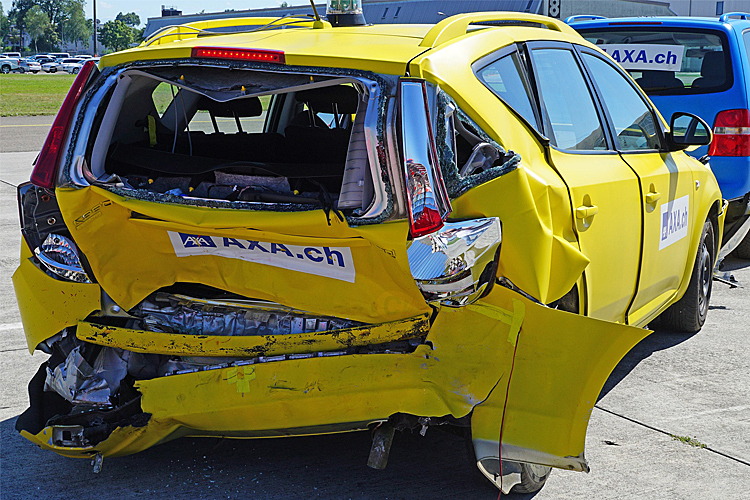
To illustrate, consider the case of a friend who had an accident while insured with AXA. She reported a smooth claims process and praised the responsive customer service team for guiding her through the steps. Her positive experience made her a loyal customer, as she felt supported during a stressful period. On the other hand, another acquaintance faced significant delays with claims at a different provider, causing frustration. Rating Platforms: It's also wise to explore rating platforms and review sites where multiple customers share their experiences. This can help potential policyholders gain insights into consistency across reviews and identify possible red flags. Example of a Rating Overview:
| Insurance Provider | Claims Process Rating | Customer Service Rating | Value for Money Rating |
|---|---|---|---|
| NTUC Income | 4.5/5 | 4/5 | 4/5 |
| AXA Insurance | 4.7/5 | 4.8/5 | 4.6/5 |
| Liberty Insurance | 3.8/5 | 4/5 | 3.9/5 |
| QBE Insurance | 4/5 | 4.2/5 | 4/5 |
While reviews are helpful, it's essential to keep in mind that some individual experiences may not reflect the overall quality of a provider. Tuning into the common themes that arise across various customer reviews can help make a better-informed decision. In summary, comparing motor insurance providers in Singapore entails examining the major companies available and paying keen attention to customer reviews and ratings. Doing your homework ensures that you choose a provider that not only meets your coverage needs but also offers reliable service and supports you through every step of your insurance journey. With this knowledge, the next phase is to explore tips for selecting the right motor insurance policy that perfectly fits individual needs and circumstances.
Tips for Selecting the Right Motor Insurance Policy
After comparing various motor insurance providers, the next crucial step is to select the right policy that meets your unique needs. With countless options available, it can be overwhelming to choose the policy that best fits your circumstances. Fortunately, there are several tips to help streamline the decision-making process.
Assessing Policy Coverage Needs
The first and most vital step in selecting motor insurance is understanding your coverage needs. This involves looking beyond the surface and considering various factors that influence how much protection you require. Key Considerations:
- Value of Your Vehicle: Consider the replacement cost of your vehicle. If you own a luxury or high-value car, comprehensive coverage may be worthwhile to fully protect your investment.
- Driving Habits: Your driving habits play a significant role in determining coverage needs. If you frequently drive long distances or in heavy traffic, higher coverage limits might be necessary.
- Potential Risks: Think about the risks associated with your environment. If you live in an area with high crime rates or numerous accidents, investing in more protection could save you money and headaches down the line.
- Financial Safety Nets: Assess your savings or financial reserves. If you can afford to pay repairs out-of-pocket, a higher deductible may be safe. However, if an unexpected expense would significantly impact your finances, a lower deductible with comprehensive coverage might be a better option.
For example, a family member chose a basic TPO policy, not considering that their vehicle’s value would make repairs significantly costly. After an unfortunate accident, they bore the brunt of the expenses, prompting them to rethink their coverage needs for the future.
Understanding Policy Exclusions
When examining a motor insurance policy, it’s crucial to dive into the fine print and understand the exclusions. Policy exclusions are situations or events not covered by the insurance, which can leave policyholders vulnerable if they’re not aware of them. Common Exclusions to Look Out For:
- Unauthorized Drivers: Most policies do not cover accidents if someone else is driving your vehicle without your permission.
- Intentional Damages: Any damage that is deemed intentional or caused while committing a crime is generally excluded.
- Personal Belongings: Many standard policies do not cover personal items stolen from your vehicle or damaged during an accident.
- Driving Under Influence: Accidents that occur while driving under the influence of alcohol or drugs are typically not covered.
Understanding these exclusions can help prevent unpleasant surprises when you file a claim. For instance, a friend once had her laptop stolen from her car after a break-in. She assumed it would be covered under her comprehensive policy but soon discovered it wasn’t included, leading to frustration over her lost belongings. To avoid similar situations, always take the time to ask questions regarding any confusing terms or exclusions in your policy. Additionally, reading customer reviews can reveal insights about how claims have related to policy exclusions.
Seeking Discounts and Promotions
In today's competitive market, many insurance providers offer numerous discounts and promotions that can significantly reduce your premium. Taking advantage of these can help you get the best possible deal without compromising on coverage. Common Discounts to Consider:
- No-Claim Discounts (NCD): If you have not filed any claims in a policy period, you may qualify for a no-claim bonus, which can lower your premiums significantly.
- Bundling Policies: Many insurers offer discounts for customers who bundle multiple policies, such as home and car insurance, making it cheaper to insure various assets together.
- Driver Training Courses: Completing recognized defensive or safe driving courses can sometimes lead to premium reductions, as this demonstrates your commitment to safe driving.
- Loyalty Programs: Some insurance companies reward long-term customers with discounts or bonuses, so stay alert for programs that can benefit you.
For example, after switching to a provider that offered a no-claim discount, a colleague managed to save a considerable sum on her yearly premiums, allowing her to allocate those funds towards upgrading her vehicle instead. In conclusion, selecting the right motor insurance policy requires a thoughtful approach, assessing coverage needs, understanding exclusions, and capitalizing on available discounts. By following these tips, vehicle owners can navigate the complexities of insurance and ensure they choose a policy that not only fits their lifestyle but also offers the best value for their money. With these insights, the next step is to gain a clear understanding of the motor insurance claims process to ensure a smooth experience, should the need arise.
Understanding Motor Insurance Claims Process
Having selected the right motor insurance policy, understanding the claims process becomes essential. Knowing how to file a claim and what to expect during the settlement process can save you considerable stress during an already challenging time. Let’s break this down into manageable sections to ensure you're well-prepared should you ever need to make a claim.
Filing a Claim
When an accident occurs or your vehicle is damaged, the first step is filing a claim with your insurance provider. This process can vary slightly depending on the company, but a general approach will apply across the board. Steps to File a Claim:
- Ensure Safety: First and foremost, ensure everyone's safety. If there are injuries, call emergency services before anything else.
- Document the Incident: Gather as much information as possible about the accident. This includes:
- Taking photographs of the damages and the accident scene.
- Writing down details such as date, time, location, involved parties, and witness contacts.
- Collecting information on any police reports, especially if the authorities were involved.
- Notify Your Insurer Promptly: Most insurance companies require you to report an accident within a specific period, often 24 to 48 hours. The sooner you inform your provider, the smoother the process can be.
- Complete the Claim Form: Your insurance provider will have a claim form for you to fill out. Be sure to provide accurate details in a clear and concise manner. If you're unsure about any section, don’t hesitate to ask for help.
- Submission of Evidence: Along with the claim form, you'll need to submit any evidence you’ve gathered from the scene of the accident, which includes photos, reports, and witness statements.
For example, a friend of mine was involved in a minor collision and promptly followed these steps. After collecting all necessary documentation and quickly reporting to her insurance, she found they could process her claim efficiently, allowing her car repairs to commence without delay.
Claim Settlement Process
Once the claim is filed, it transitions into the settlement phase. Understanding what happens during this process will equip you with the knowledge to manage your expectations. Key Stages of the Claim Settlement Process:
- Claim Acknowledgment: After your submission, the insurance company will acknowledge your claim, often providing a claim reference number. This is essential for tracking your claim's progress.
- Investigation and Assessment: The insurer may conduct an investigation to assess the details of the incident. This can involve:
- Reviewing the evidence submitted (photographs, reports).
- Interviewing involved parties and witnesses.
- In some cases, involving an independent assessors to determine the extent of damages and liability.
- Claim Decision: Based on the investigation, the insurance provider will determine whether the claim is valid and how much they will pay. Factors influencing this decision can include:
- The nature of the coverage (TPO, TPFT, or Comprehensive).
- The specifics of the accident and any applicable policy exclusions.
- The level of liability attributed to each party involved.
- Settlement Offer: If approved, the insurer will make a settlement offer. This may cover the repair costs of your vehicle, third-party liabilities, or both, depending on the policy.
- Claim Payment: Upon acceptance of the settlement offer, the insurance company will process the payment. Keep in mind that the time frame for payment might vary based on the complexity of the claim and the insurer's procedures.
For instance, another acquaintance experienced delays during the settlement process due to incomplete documentation initially submitted with the claim. However, he learned to communicate effectively with the insurer and follow up regularly. In the end, persistence paid off, and he received his settlement once the necessary paperwork was completed. In conclusion, understanding the motor insurance claims process—starting from filing a claim to navigating the settlement process—can significantly alleviate stress during what can be a taxing ordeal. Being informed and organized when it’s time to manage a claim can lead to smoother resolutions and quicker outcomes. With this understanding, vehicle owners are now better equipped to face a range of situations on the road. Moving forward, it's beneficial to be aware of common mistakes to avoid when choosing motor insurance to ensure a successful and satisfying policy experience.
Common Mistakes to Avoid When Choosing Motor Insurance
Now that you’re informed about the motor insurance claims process, it’s essential to recognize common pitfalls many individuals encounter when selecting their policies. Avoiding these mistakes can lead to better coverage, peace of mind on the road, and saved costs down the line. Here, we’ll explore two critical mistakes: underestimating coverage needs and ignoring policy fine print.
Underestimating Coverage Needs
One of the most prevalent mistakes individuals make when choosing motor insurance is underestimating their coverage needs. It’s easy to assume that the minimum requirement will suffice, but this can lead to significant financial hardships should an accident occur. Why It's Important to Assess Coverage Needs:
- Vehicle Value: High-value vehicles require suitable insurance coverage. Many people opt for the bare minimum, only to find themselves facing exorbitant repair costs after an accident. For instance, a friend purchased a luxury vehicle but chose a basic policy, thinking it was adequate. After getting into a minor accident that heavily damaged the car, she was shocked to find that her insurance only covered a fraction of the repair costs, leaving her to shoulder the rest.
- Driving Environment: Consider your daily driving environment. If you live in a busy urban area with many accidents or high crime rates, higher coverage limits are warranted. Those who frequently park in unsecured locations might face theft or vandalism, emphasizing the need for comprehensive coverage.
- Lifestyle Factors: Evaluate how you use your vehicle. If you’re a frequent long-distance driver or often travel with friends or family, ensure your coverage reflects this. More passengers mean an increased liability risk, so understanding these dynamics can help guide your insurance choice.
To prevent underestimating coverage needs, it’s best to take a detailed inventory of your vehicle, driving habits, location, and financial situation. Knowing what might be at stake can encourage you to seek policies that provide adequate protection rather than settling for minimal coverage.
Ignoring Policy Fine Print
The second common mistake people make when choosing motor insurance is neglecting to read or understand the policy fine print. While it may seem tedious, the fine print contains critical information that can significantly affect your coverage. Key Points to Review in the Fine Print:
- Exclusions: Most policies come with specific exclusions—situations that the insurers will not cover. This could include:
- Damage caused by driving under the influence.
- Accidents involving unauthorized drivers.
- Personal property theft from the vehicle.
A fellow driver learned this the hard way when their insurance did not cover a stolen laptop from their car, leaving them frustrated and out of pocket.
- Deductibles: Understand how deductibles work. Many people focus solely on the premium cost but may inadvertently choose a high deductible without realizing the financial implications if an accident occurs. Ensure that you’re comfortable with the deductible amount should you need to file a claim.
- Claim Limits: Certain policies also have caps on how much they will pay for specific types of claims, such as repairs or medical expenses. Knowing these limits beforehand can prevent surprises later.
- Terms and Conditions: Take the time to read through the policy's terms and conditions. Look for clauses regarding non-renewal of policies, claim procedures, and how long you have to file a claim after an incident occurs.
It's beneficial to take notes or highlight critical sections while reading through the fine print, leading to informed questions when speaking with your insurance agent. A friend of mine made this a habit and found herself much more knowledgeable and prepared, which ultimately led to better decisions when settling on her insurance. In conclusion, avoiding common mistakes—such as underestimating coverage needs and ignoring policy fine print—can empower you to make informed choices about your motor insurance policy. Taking the time to assess your coverage needs and thoroughly understanding the terms will lead to a more satisfactory and protective insurance experience. With these lessons in mind, you can now navigate the landscape of motor insurance confidently, ensuring you are well-protected on the road ahead.

Conclusion and Final Recommendations
In this comprehensive guide, we’ve explored the intricate landscape of motor insurance, from understanding various policy types to navigating the claims process and identifying common mistakes. Navigating your way through motor insurance can initially seem daunting, but being well-informed equips you with the knowledge to make smart decisions that protect both you and your vehicle.
Key Takeaways
As we wrap up this journey through motor insurance, here are some key takeaways to keep in mind:
- Assess Your Needs Thoroughly: Understanding your personal coverage needs is foundational. Take time to consider your vehicle's value, your driving environment, and how you use your car.
- Review Policy Options: Familiarize yourself with various policy types, such as TPO, TPFT, and Comprehensive insurance. Each has its merits based on personal circumstances and risks.
- Know Your Deductibles: Be aware of how deductibles work within your policy. Finding the right balance between premium costs and deductible amounts can make a tremendous difference in your financial experience during accidents.
- Read the Fine Print: Always pay attention to the fine print associated with any motor insurance policy. Knowing the exclusions, claim limits, and policy terms ensures you're not caught off guard when you need to file a claim.
- Utilize Discounts: Don’t hesitate to seek out discounts or promotions from your insurance provider. Many companies offer competitive deals that can significantly reduce what you pay.
- Consult Professionals: When in doubt, consult with insurance professionals or experts who can guide you through choosing a policy that aligns with your needs.
For instance, taking the initiative to have an in-depth discussion with an insurance agent can illuminate options you may not have considered. One family friend did just this, which led them to discover a policy that included unique benefits, like free roadside assistance.
Final Recommendations
As you venture into selecting your motor insurance policy, consider the following recommendations to ensure a smooth experience:
- Conduct Regular Reviews: Your insurance needs may change as circumstances do. It’s wise to review your policy annually to ensure it still suits your situation. Life events, such as getting married, moving to a new area, or changing jobs, can impact your insurance needs.
- Stay Informed About Policy Changes: Insurance policies can change, and so can the coverage landscape. Keeping updated on industry trends, changes in regulations, or loss experiences can prepare you for potential adjustments to your policy.
- Keep Communication Open with Your Provider: Establish a good rapport with your insurance provider. Open communication can be invaluable, particularly when you need to file a claim. Regular check-ins can result in better service and awareness of new offers.
- Educate Yourself on Traffic Laws: Local traffic rules can impact your insurance. Being aware of laws such as speed limits or mobile usage restrictions could help you avoid violations that may affect your claims and premiums.
For example, a couple of acquaintances recently faced challenges because they were unaware of a change in a local traffic regulation. This oversight led to penalties affecting their insurance premiums and renewals. Staying informed not only safeguards you while driving but also ensures a smoother journey regarding your coverage. In conclusion, a thorough understanding of motor insurance empowers you to make informed decisions that benefit you in the long run. By grasping the fundamentals, seeking appropriate coverage, prioritizing communication, and staying abreast of any changes, you can confidently navigate the world of motor insurance and ensure that you are equipped with the best protection on the road. Remember, being proactive today can considerably ease the stresses of tomorrow. Drive safely and smartly, and may your journey be free of incidents!