

Overview of LTA Vehicle Inspection in Singapore
Definition of LTA Vehicle Inspection
LTA Vehicle Inspection refers to the systematic evaluation of vehicles conducted by the Land Transport Authority (LTA) in Singapore. This process ensures that all vehicles on the road comply with safety, environmental, and regulatory standards. Inspections cover various aspects such as brakes, lights, emissions, and overall vehicle condition.
Purpose and Importance of LTA Vehicle Inspection
The primary purpose of LTA Vehicle Inspection is to safeguard public safety and promote environmentally friendly practices. Here’s why it’s crucial:
- Safety Assurance: Prevents accidents caused by mechanical failures.
- Environmental Compliance: Ensures vehicles meet emission standards.
- Regulatory Adherence: Keeps vehicle owners compliant with local laws.
Ensuring regular inspections not only protects drivers but also the community as a whole.
Types of LTA Vehicle Inspections
Pre-registration Inspection
Pre-registration Inspection is the first step for new vehicles entering the road. This inspection verifies that a vehicle meets all regulatory requirements before being registered with the LTA.
Periodic Vehicle Inspection
Periodic Vehicle Inspections are mandatory checks that occur at regular intervals, typically every two years. These inspections ensure vehicles maintain their roadworthiness over time.
Enforcement Inspection
Enforcement Inspections occur randomly or as a response to violations. They ensure that vehicles adhere to safety and emissions standards, reinforcing compliance on the roads. Each inspection type plays a pivotal role in maintaining vehicle safety standards across Singapore.
LTA Vehicle Inspection Process
Inspection Criteria and Standards
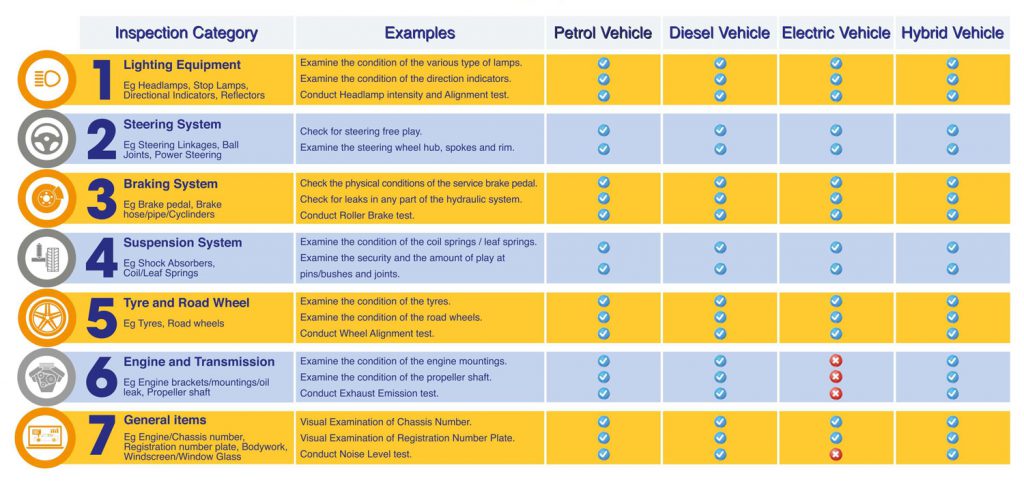
The inspection follows specific criteria, including:
- Brakes and Steering: Essential for safety.
- Lights and Indicators: Ensure visibility.
- Emissions: Confirmation of compliance with environmental standards.
Costs Associated with LTA Vehicle Inspections
Inspection Fees
When preparing for an LTA vehicle inspection, it's essential to factor in the inspection fees. As of now, the standard fee typically ranges from SGD 50 to SGD 70, depending on the type of vehicle. It’s a small price to pay for ensuring safety and compliance.
Additional Charges
Besides the standard inspection fees, vehicle owners may incur additional charges if their vehicle requires re-inspection due to failures or issues identified during the initial check. Here are some potential extra costs to be aware of:
- Re-inspection Fees: Usually around SGD 20 to SGD 40.
- Repair Costs: Depending on what needs fixing for compliance.
Being aware of these costs upfront helps in budgeting effectively for your vehicle's maintenance and compliance needs.
Understanding Inspection Results
Common Issues Found During Inspection
After undergoing an LTA vehicle inspection, it’s not uncommon for vehicle owners to encounter some common issues. Here are a few frequent findings:
- Brake Problems: Worn-out pads or unresponsive brakes.
- Lights Malfunctioning: Broken or dim headlights and indicators.
- Excessive Emissions: Failure to meet environmental standards.
Consequences of Inspection Failures
Failing an inspection can have several implications. Owners may face:
- Mandatory Repairs: Vehicles must be fixed before re-inspection.
- Re-inspection Fees: Additional costs for missed compliance.
- Legal Penalties: Persistent non-compliance can lead to fines or suspension of vehicle registration.
Understanding these aspects reinforces the importance of keeping vehicles in top shape to ensure they pass inspections.

Exemptions and Exclusions from LTA Vehicle Inspections
Vehicles Exempted from Inspections
Not every vehicle is required to undergo LTA inspections. Certain exemptions exist. For instance:
- New Cars: Vehicles within a defined period after their first registration may not need immediate inspection.
- Classic Vehicles: Some vintage cars enjoy a grace period due to their reduced mileage and usage.
Scenarios Where Exclusions Apply
Exclusions can also arise under specific conditions:
- Temporary Usage: Vehicles used solely for specific short-term purposes may be excused from inspections.
- Owner’s Special Circumstances: Some cases, like vehicles in storage, might lead to exemption from routine inspections.
Understanding these exemptions helps vehicle owners navigate inspection requirements more effectively while ensuring compliance when necessary.
Importance of Compliance with LTA Vehicle Inspection Regulations
Legal Implications of Non-compliance
Compliance with LTA vehicle inspection regulations is not just a formality; it’s a legal requirement. Failing to adhere can lead to serious consequences, including:
- Fines: Monetary penalties for vehicles caught without valid inspection certifications.
- Legal Action: Unresolved non-compliance might escalate into more significant legal issues.
- Vehicle Registration Suspension: The LTA may suspend or revoke vehicle registration for persistent offenders.
Benefits of Ensuring Vehicle Inspection Compliance
On the flip side, maintaining compliance offers numerous advantages:
- Enhanced Safety: Regular inspections help identify and fix potential dangers.
- Increased Vehicle Longevity: Keeping up with inspections ensures the vehicle remains in optimal condition.
- Peace of Mind: Knowing your vehicle meets safety standards brings peace of mind when driving.
Overall, compliance is essential in safeguarding not just the vehicle owner but also others on the road.

Recent Updates and Changes in LTA Vehicle Inspection Policies
Any New Regulations or Requirements
In recent months, the LTA has introduced several updates to vehicle inspection policies aimed at enhancing safety and efficiency. New regulations include:
- Emissions Testing: Stricter emissions standards have been implemented for all vehicles to promote environmental sustainability.
- Enhanced Checks: Additional safety checks related to advanced driver-assistance systems (ADAS) are now part of the inspection process.
Impact on Vehicle Owners and Operators
These changes have notable implications for vehicle owners and operators:
- Increased Compliance Costs: Owners may face higher fees due to additional inspections.
- Need for Upgrades: Some older vehicles may require significant upgrades to meet new regulations.
Overall, staying informed about these changes is essential for all vehicle owners to ensure compliance and avoid penalties.
Conclusion and Recommendations
Summary of Key Takeaways
In summary, understanding the LTA vehicle inspection process is crucial for all vehicle owners in Singapore. Key points include the various types of inspections, the importance of compliance with regulations, and the financial implications of non-compliance. Staying informed helps ensure safety and legality on the roads.