

Understanding the VEP (Vehicle Entry Permit) Application Process
When planning a trip to a foreign country with your vehicle, obtaining a Vehicle Entry Permit (VEP) becomes a crucial step. It ensures that your vehicle is legally allowed to enter and remain in the destination country, which can help avoid fines and potential legal issues.
Why the VEP is Important
Think of the VEP as a passport for your vehicle. Just as you wouldn’t travel internationally without your own travel documents, your vehicle requires proper authorization. By securing a VEP, travelers can:
- Avoid legal penalties
- Protect against insurance issues
- Ensure compliance with local regulations
The Application Process
The process may seem daunting at first, but it’s manageable with some preparation. Generally, the application involves:
- Submitting required documents
- Paying applicable fees
- Waiting for approval, which can take a few days
By understanding this process ahead of time, applicants can mitigate potential delays. Personal anecdotes of seasoned travelers often emphasize how starting the VEP application early alleviates stress and streamlines travel plans.

Documents Required for VEP Application
Now that you understand the significance of the Vehicle Entry Permit (VEP) application process, let’s dive into the essential documents required for a successful application. Gathering these documents ahead of time can save you from last-minute scrambles and potential headaches.
Essential Documents
The documentation needed for a VEP application can vary by country, but here’s a general list that many applicants will need:
- Vehicle Registration Certificate: This proves ownership of the vehicle.
- Driver's License: A valid license is crucial for legal driving.
- Insurance Policy Documents: Proof of insurance that covers international travel is often required.
- Passport Copy: Your identity verification ensures that you're the vehicle's authorized user.
Personal Experience
For instance, when a friend of mine traveled to Malaysia with his car, he almost overlooked the insurance requirements. Thankfully, he double-checked his documents the night before, which saved him time at the border. Always remember, having everything in order not only speeds up the process but provides peace of mind during your travels.

Step-by-Step Guide to Applying for VEP
With the documents ready, it's time to navigate the actual application process for your Vehicle Entry Permit (VEP). This step-by-step guide aims to simplify things and get you on your way.
Step 1: Fill Out the Application Form
The first step involves obtaining the official VEP application form from the respective country's transport authority website. Take your time to fill it out accurately, ensuring all details match your documents.
Step 2: Compile Your Documents
Next, gather all required documents, which typically include:
- Vehicle Registration Certificate
- Driver’s License
- Insurance Policy Documents
- Passport Copy
Double-check for completeness; missing documents could delay your application.
Step 3: Submit Your Application
Once everything is in order, submit your application either online or in person, depending on the country’s regulations. Make sure to pay any necessary fees at this stage.
Personal Tip
A friend of mine shared how he saved time by submitting his application online. He received quick updates on its status, allowing for easy troubleshooting if any issues arose. Following these straightforward steps can lead to a smooth VEP application experience.
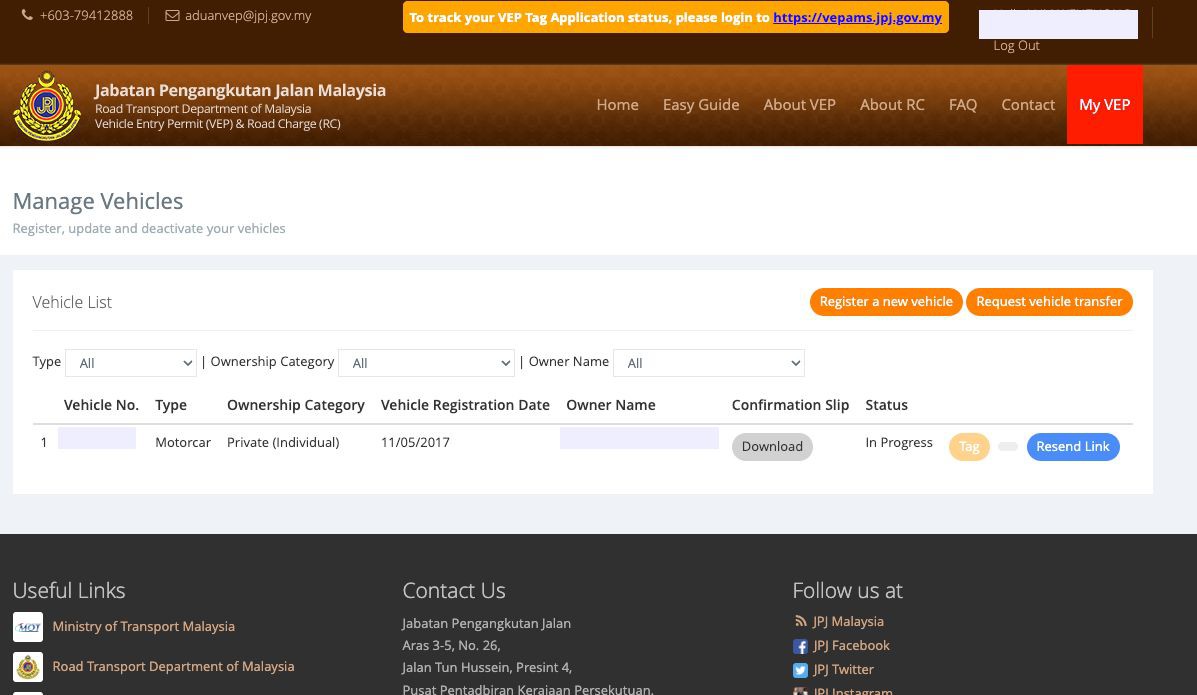
Common Issues and Troubleshooting
Even with careful planning, applicants can encounter common issues during the Vehicle Entry Permit (VEP) application process. Recognizing these potential pitfalls can help you troubleshoot effectively.
Common Issues
Here are some frequent challenges applicants face:
- Incomplete Documentation: This is one of the main reasons applications get delayed. Missing a single document could result in rejection.
- Payment Errors: Double-check the fee amount and methods accepted. Misunderstandings about payment can lead to processing delays.
- Long Processing Times: Some regions may take longer to approve applications. Patience is key, but if it takes too long, reaching out for updates is wise.
Personal Insight
A colleague of mine faced an unexpected delay due to a typo in her driver’s license number. Upon realizing this, she promptly contacted the issuing authority for a correction and followed up regularly, which helped expedite her application. Keeping lines of communication open and being proactive can make a significant difference when troubleshooting these issues.
Tips for a Smooth VEP Application Process
After navigating the common issues and their potential solutions, you might be wondering how to streamline your Vehicle Entry Permit (VEP) application process further. Here are some valuable tips that can pave the way for a hassle-free experience.
Organize Your Documents
As previously mentioned, having the right documents is crucial. Use a checklist to ensure you have:
- Vehicle Registration Certificate
- Driver’s License
- Insurance Policy Documents
- Passport Copy
Organizing these documents not only speeds up the process but also provides peace of mind.
Submit Early
Consider applying for the VEP well in advance of your travel date. One of my friends did this and was pleasantly surprised at how quickly she received her permit, allowing her ample time to plan her trip.
Stay Updated
Regularly check the status of your application online or via the authority’s updates. This proactive approach can help you catch any issues early on.
By following these tips, you’ll position yourself for a smoother application process and ensure an enjoyable travel experience.
Conclusion
Navigating the Vehicle Entry Permit (VEP) application process may seem challenging at first, but with the right preparation and understanding, it can be quite manageable.
Reflecting on the Journey
From gathering essential documents to troubleshooting common issues, each step is vital to ensuring your vehicle’s smooth entry into a foreign country. Personal anecdotes, such as those sharing experiences of early applications and document organization, underscore the importance of being proactive.
Final Thoughts
As you plan your next adventure, keep these key takeaways in mind:
- Stay Organized: Use checklists to manage your documents.
- Apply Early: Give yourself a buffer period for any potential delays.
- Communicate: Reach out to authorities if you encounter any issues.
By applying these strategies, you’re not just setting yourself up for a successful VEP application but also enhancing the overall travel experience. With the right approach, you can focus more on enjoying your journey and less on paperwork. Happy travels!