
Introduction
Importance of Car Battery Maintenance
When you think about car maintenance, you probably consider oil changes, tire rotations, and brake inspections. However, one of the most crucial components often overlooked is the car battery. Just like any machine, your vehicle requires regular maintenance to ensure that it operates optimally. Neglecting your battery can lead to unexpected breakdowns and costly repairs, often right when you need your car the most. Imagine this scenario: you’re running late for an important meeting, and just as you press the ignition, all you hear is a faint clicking sound. Panic sets in as you realize your car is refusing to start. This situation could have been avoided with a little foresight and regular battery care. Maintaining your car battery doesn’t have to be an arduous task. By taking a proactive approach, you can extend the life of your battery and avoid potential inconveniences. Proper maintenance can eliminate issues such as:
- Unpredictable battery failures
- Decreased vehicle performance
- Increased repair costs
By dedicating just a bit of time to check your battery’s health, you’ll save yourself the hassle of unexpected surprises down the road.
Role of the Car Battery
The car battery is the heartbeat of your vehicle—it powers everything from the engine to your climate control system. Essentially, it acts as the storage device for electrical energy, supplying power to various components when the engine isn’t running. Here are some of the primary roles of the car battery:
- Starting the Engine: The most well-known function of the car battery is to provide the initial spark needed to start the engine. When you turn the key, the battery sends a surge of electricity to the starter motor and ignition system, enabling combustion to begin.
- Powering Electronics: In today’s cars, electronic systems play a crucial role in overall functionality. From dashboard displays to navigation systems and music players, the battery ensures all these components receive the power they need.
- Stabilizing Voltage: A car battery stabilizes the voltage in the car’s electrical system. This regulation is vital for protecting sensitive components like the computer and various sensors, which could be damaged due to voltage fluctuations.
- Supporting the Alternator: While the alternator charges the battery while the engine runs, the battery provides the necessary power when the vehicle is off and during high load situations when the alternator can’t keep up, such as when using headlights and air conditioning simultaneously.
- Acting as a Backup: In case of a temporary power failure or an over-drawn power supply, the battery acts as a safeguard, ensuring that essential systems remain functional until normal power is restored.
Without a properly functioning battery, the car becomes inoperable, and your daily routines could be disrupted significantly. Understanding the essential roles that your battery plays can encourage you to establish a routine of checking and maintaining it. Furthermore, the importance of smooth rides and dependable starts can’t be overstated; it’s what every car owner desires. A well-maintained battery not only signifies a healthy vehicle but also instills confidence in your ride. For instance, I once had a friend who constantly ignored battery warning signs. Eventually, one rainy Monday morning, her car refused to start on her way to work—a classic case of loss due to neglect. Let’s break it down further:
| Battery Roles | Impact |
|---|---|
| Starting the Engine | Essential for car operation |
| Powering Electronics | Ensures functionality of systems |
| Stabilizing Voltage | Protects sensitive electronics |
| Supporting the Alternator | Maintains power supply balance |
| Acting as a Backup | Prevents failure of essential systems |
Taking the time to maintain your battery isn’t just about avoiding a flat tire; it’s about ensuring that every component of your vehicle works in harmony. If you build a habit of monitoring your battery regularly, you can preempt battery failure, ensuring that you are ready for whatever the journey brings. As we delve deeper into understanding the signs of a failing battery and the strategies you can adopt to keep it healthy, remember that your car battery is more than just a piece of equipment. It’s a key player in your driving experience, contributing to both safety and convenience. Now, let’s move forward and learn how to identify if your battery needs replacing.
Signs Your Car Battery Needs Replacing
As we continue our exploration of car battery maintenance, it’s vital to recognize the signs that indicate your battery may be on its last legs. Being aware of these signs can save you from a sudden breakdown and help maintain your vehicle’s overall efficiency. Here are the key indicators that your car battery needs replacing.
Diminished Cranking Power
One of the first and most noticeable signs of a failing battery is decreased cranking power. When you turn the ignition key, your car battery should produce a strong burst of energy to start your engine. If the engine turns over slowly or hesitates before starting, your battery might be losing its ability to deliver power effectively. This could manifest in various ways:
- A sluggish engine start—You may have to crank the engine multiple times before it turns over.
- A dimming of interior lights—If the dashboard lights flicker or seem unusually dim when you start the car, this is an indication that the battery might not have sufficient charge.
- A clicking sound instead of the engine turning over can also be a clear sign that the battery is struggling.
During a particularly chilly weather last year, I remember facing this issue. My car had started stuttering during cold mornings, and upon inspection, I discovered that it simply wasn’t able to deliver the cranking power required. After replacing the battery, everything works perfectly.
Dashboard Warning Lights
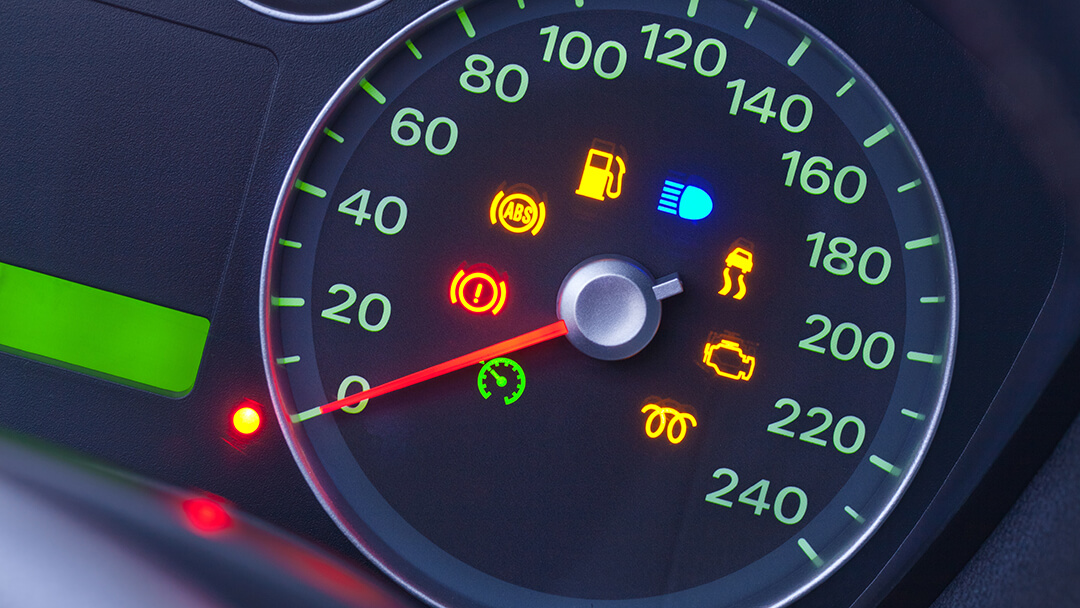
Modern vehicles are equipped with advanced diagnostic systems, and your dashboard warning lights are there for a reason—they communicate critical information to you about various systems, including the battery. Pay attention to the following warning signs that may appear:
- Battery Warning Light: Most cars have a dedicated battery light on the dashboard. If this light turns on while driving, it typically indicates that the battery is not charging properly.
- Check Engine Light: While this could signify many issues, a flickering check engine light can also hint at battery problems. If your car’s electrical system isn’t functioning correctly, it might be due to a failing battery.
Ignoring these warning lights is unwise. If one appears, it’s best to have your vehicle inspected as soon as possible. Let’s take a closer look at this through a table:
| Warning Light | Possible Meaning |
|---|---|
| Battery Light | Indicates battery is not charging |
| Check Engine Light | May indicate various issues, including battery problems |
Corrosion on the Battery Terminals
Corrosion can be an insidious process and a significant warning sign that your battery may require replacement. Over time, acid fumes from the battery can lead to a build-up of white, ashy substance around the terminals. This corrosion can hinder the electrical connection between the battery and the car, causing an inconsistent power supply. To identify corrosion, look for:
- White, powdery residue or crust around the battery terminals.
- Greenish or bluish staining at the connection points.
If you notice any corrosion, it’s essential to clean the terminals and check the overall health of the battery. If the corrosion is extensive or recurring, it may indicate an underlying issue that necessitates battery replacement. One handy tip I learned: always wear gloves and safety glasses when cleaning battery terminals. It’s a straightforward process, but a little precaution goes a long way in ensuring safety.
Age of the Battery
Every car battery has a lifespan, typically ranging from three to five years. However, multiple factors, such as extreme temperatures and your driving habits, can influence this lifespan significantly. As your battery ages, it naturally loses its ability to hold a charge effectively. To evaluate the age of your battery:
- Look for the date sticker/marker writings on the battery itself. This sticker usually indicates the month and year of manufacture, or the installation date.
- Keep in mind that even if your battery is still working well, it might be wise to replace it if it’s nearing the end of its expected life.
A friend of mine, who often took long road trips, found himself stranded due to an aging battery that failed him right before a major journey. Despite being charged up, it simply couldn’t provide the necessary power. Had he checked the age of his battery beforehand, he could have avoided that predicament. In summary, by staying alert to the signs of a failing battery—diminished cranking power, dashboard warning lights, corrosion at the terminals, and battery age—you can ensure a reliable and worry-free driving experience. If you notice any of these symptoms, it’s advisable to have the battery tested and, if needed, replaced, keeping your vehicle performing at its best. As we move forward, let’s explore how to effectively test and diagnose the condition of your car battery.

Testing and Diagnosis
After recognizing the signs that indicate your car battery may need replacing, it’s essential to validate those suspicions through proper testing and diagnosis. There are several methods to assess the health of your battery, which can ultimately save you from an inconvenient breakdown. Let’s explore the three primary testing methods: the voltage test, load test, and visual inspection.
Voltage Test
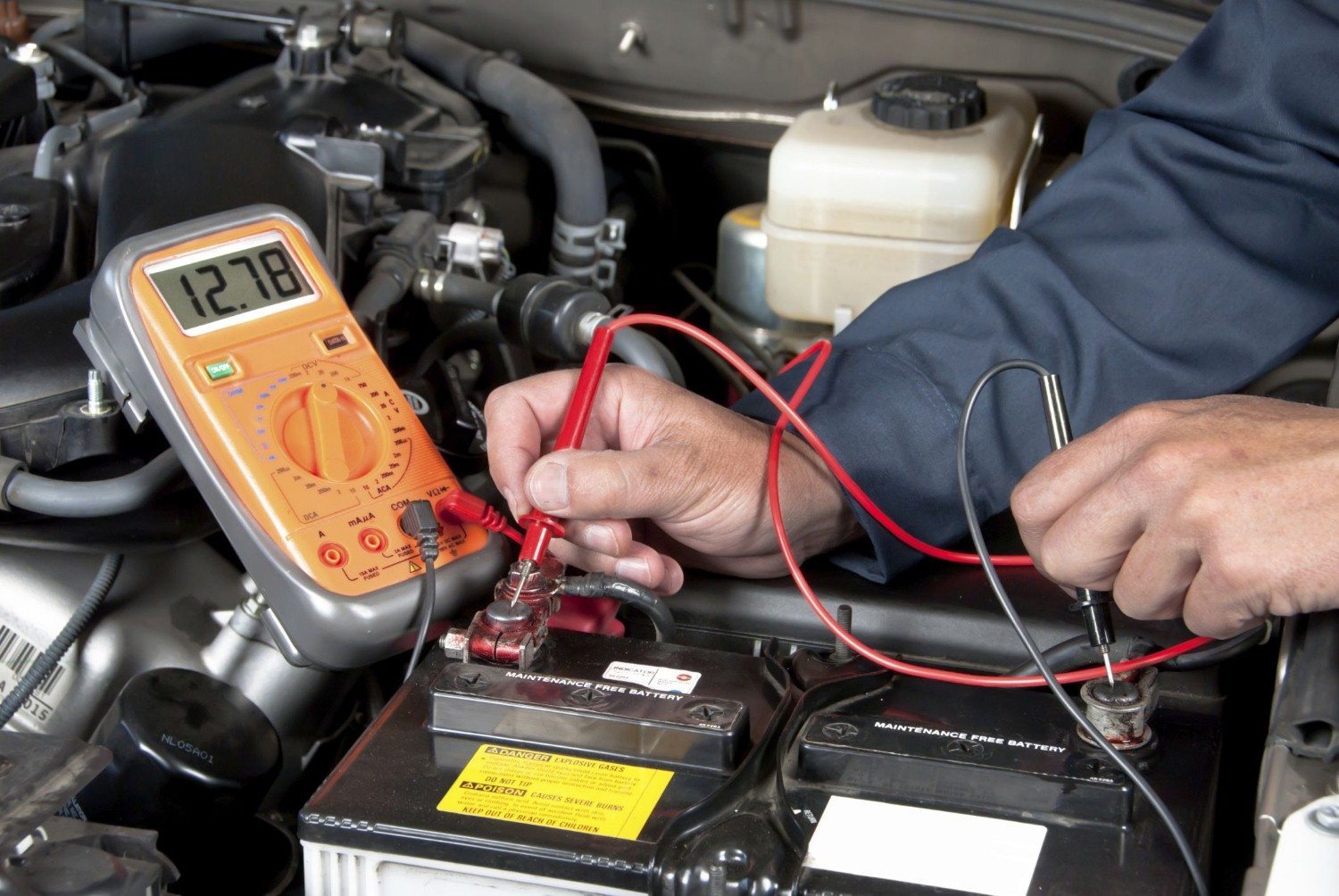
The voltage test is one of the simplest ways to determine whether your battery is in good shape. A healthy, fully charged car battery should read around 12.6 volts or more when the engine is off. If the reading drops to below 12.4 volts, it indicates that your battery may not be fully charged. Once it drops to 12.0 volts, it’s time to consider replacing it. To perform a voltage test:
- Gather Your Equipment: You’ll need a digital multimeter or a voltmeter, which can usually be found at automotive or hardware stores.
- Turn Off Your Vehicle: Make sure your car is off to get an accurate measurement.
- Connect the Multimeter: Attach the red lead to the positive terminal and the black lead to the negative terminal of the battery.
- Read the Voltage: Check the display on your meter for the voltage reading.
If the battery is reading low, you might also consider charging it and then testing it again. However, if it consistently shows a low voltage under load, replacement is likely essential. I recall a time when I experienced a delayed start one cold morning, prompting me to check my battery’s voltage. The reading was a disappointing 11.8 volts! This simple test provided clarity on my next steps, leading me to replace the battery the following day.
Load Test
While a voltage test gives you a quick snapshot of your battery’s health, a load test offers a more comprehensive examination. This test simulates the conditions under which your battery must operate when starting your vehicle. To perform a load test, consider the following steps:
- Equipment Needed: You can either purchase a battery load tester for home use or visit an auto parts store, where many locations offer this service for free.
- Connect the Load Tester: Attach the tester’s clamps to the respective battery terminals (red to positive and black to negative).
- Apply Load: Follow the tester’s instructions. Usually, you’ll need to apply a load equivalent to about one-half of the battery’s cold cranking amps (CCA) rating for 15 seconds.
- Assess the Results:
- If the voltage drops below 9.6 volts during the test, it indicates that the battery is weak and likely needs replacement.
- If it maintains a steady voltage, congratulations; your battery is still in good condition!
This load test is particularly helpful as batteries may sometimes present normal voltage yet still fail under heavy use. A friend of mine once had a battery that passed the voltage test but failed the load test convincingly. He was nearly stranded without realizing the problem existed until it was too late! Here’s a quick summary of test results:
| Result | Action |
|---|---|
| Voltage below 12.4V | Charge or Replace |
| Voltage below 9.6V during load test | Replace battery |
| Voltage above 12.6V and stable | Battery in good condition |
Visual Inspection
Performing a visual inspection of your battery is also crucial. This can often reveal issues that may not be detected through testing methods. Here’s what to look for:
- Corrosion: As discussed earlier, check for white, crusty builds up around the battery terminals. If you notice corrosion, it’s essential to clean it off with a mixture of baking soda and water, but remember to wear gloves and goggles for safety.
- Cracks or Leaks: Inspect the battery casing for any visible cracks or leaks. A damaged battery can pose both a performance and safety risk, as leakage can cause damage to other components in your vehicle.
- Secure Connections: Ensure that battery terminals are tightly connected. Loose connections can lead to starting problems or electrical failures.
- Physical Condition: Finally, check the overall condition of the battery. Signs of swelling or deformation can indicate internal failure, which likely necessitates replacement.
Visual inspections can provide valuable insight without needing any advanced tools. On one occasion, while helping a friend jump-start their car, I noticed a significant amount of corrosion on the terminals, which led to some crucial maintenance. A quick cleaning revitalized the battery’s performance instantly! In summary, understanding how to test and diagnose your car battery through voltage tests, load tests, and visual inspections can empower you to take proactive measures. Regularly assessing your battery health can result in smoother journeys and save you from the unpredictability of battery failure. In our next section, we’ll delve into the various factors that affect battery lifespan, helping you extend the life of your vehicle’s power source even further.
Factors Affecting Battery Lifespan
Having discussed how to test and diagnose your car battery, it’s equally vital to understand the factors that can significantly affect its lifespan. A well-maintained battery can last several years, but certain conditions can shorten its life. Below, we explore three primary factors: extreme temperatures, short trips combined with lack of use, and overcharging.
Extreme Temperatures
Extreme temperatures can be incredibly harsh on car batteries—both heat and cold possess their challenges.
- Cold Weather: When temperatures drop, the chemical reactions required to produce electricity within the battery can slow down. This diminished reaction can lead to reduced cranking power. For instance, a battery may start strong in warm weather but struggle in the cold.
- Heat: On the other end of the spectrum, extreme heat can cause the electrolyte in a battery to evaporate, which can lead to internal damage and premature failure. It’s like leaving your favorite chocolate bar in a hot car—when you return to it, it’s not the same!
To better comprehend the effects of temperature on battery lifespan, consider the following table:
| Temperature Condition | Effect on Battery |
|---|---|
| Extreme Cold (< 0°F) | Reduced cranking power, increased likelihood of failure |
| Extreme Heat (> 100°F) | Heightened risk of evaporation and internal damage |
Maintaining your battery in a controlled environment, when possible, can lead to longer service life and reliable performance.
Short Trips and Lack of Use
If you primarily use your car for short trips, you might be unknowingly contributing to your battery’s early demise. When a vehicle is used for only short distances, the battery might not have enough time to recharge fully. Continuous cycles of partial charging can gradually deplete the battery’s capacity. Additionally, a lack of use can lead to battery deterioration:
- Sulfation: Leaving a battery idle for extended periods can result in lead sulfate crystals forming on the battery’s plates, which can inhibit its ability to hold a charge.
For example, during COVID-19 lockdowns, many people found that their cars were sitting idle for weeks or even months. As a result, numerous individuals experienced dead batteries when they finally tried to start their vehicles again. A simple short drive around the block occasionally helps, as it gives the battery the chance to recharge. Here are some insights on how short trips can affect a battery:
| Use Case | Impact on Battery |
|---|---|
| Daily Short Trips | Partially charged battery, potential sulfation |
| Extended Idle Periods | Deterioration and reduced capacity |
To mitigate these effects, try to take your vehicle for a longer drive at least once a month if you rely on it for short trips.
Overcharging
Another critical issue that can significantly shorten your battery’s lifespan is overcharging. Modern vehicles typically have sophisticated systems that help prevent overcharging. However, in older models or if a problem arises in the charging system, the battery may receive too much charge, which can lead to overheating and damage. Signs of overcharging include:
- Boiling: If your battery is boiling, it means excess gasses are being released, which is not a good sign.
- Swelling: A bulging battery casing indicates compression and pressure from excessive heat.
- Leaking Acid: If you notice acid leaks, it’s a sure sign that the battery has been overcharged and might be on the verge of failure.
Here’s a quick recap of the potential impacts of overcharging:
| Overcharging Indicator | Potential Damage |
|---|---|
| Boiling | Release of gases, potential explosion |
| Swelling | Compromised structural integrity |
| Acid leakage | Damage to surrounding components |
Understanding these factors allows for proactive battery maintenance, which can lead to enhanced longevity and reliability for your vehicle. By taking care of your battery and being aware of potential damaging influences, you can better ensure that your vehicle remains ready to roll when you need it. In our next section, we will discuss practical maintenance tips to help you prolong the life of your car battery, maximizing its performance and reliability over time.
Maintenance Tips to Prolong Battery Life
Having explored the factors affecting battery lifespan, it’s essential to focus on proactive strategies that can help you prolong the life of your car battery. Regular maintenance can make a significant difference, ensuring that your battery remains reliable throughout its expected lifespan. Here are some critical tips for effective battery maintenance.
Regular Inspections
Regular inspections are a cornerstone of car battery maintenance. Checks allow you to catch problems early and ensure that your battery is functioning optimally. Here’s what to inspect:
- Visual Checks: Start by looking for any particular signs of wear and tear. Check for cracks or leakage and inspect the terminal connections for corrosion.
- Voltage Readings: Using a multimeter, check the battery voltage periodically. Ideally, you should do this once every few months. Keeping tabs on voltage levels can alert you to early issues before they become serious.
- Connection Tightness: Loose connectors can cause poor power flow. Regularly inspect and tighten any loose terminal connections to maintain conductivity.
Personally, I found it incredibly helpful when my auto technician taught me how to perform quick battery inspections. Now, I feel empowered to do it myself! One morning I caught corrosion building up on my battery terminals, allowing me to clean them up before it impacted performance. To keep your inspections thorough, consider adopting a routine. For example, inspect your battery during oil changes or seasonal check-ups. Regular attention can help catch problems before they escalate.
Keeping the Battery Clean
A clean battery is a happy battery! Residue, dirt, and corrosion can negatively affect battery performance and lifespan. To maintain optimal conditions, follow these simple steps for cleaning:
- Gather Supplies: You’ll need a pair of gloves, safety goggles, baking soda, water, and a wire brush or a battery terminal cleaning tool.
- Disconnect the Battery: Always ensure the vehicle is off, and then disconnect the negative terminal first, followed by the positive one to prevent any accidental short-circuiting.
- Prepare a Cleaning Solution: Mix a tablespoon of baking soda into a cup of water. This will create a mild alkaline solution, which helps neutralize any acid corrosion on the battery.
- Clean the Terminals: Using a brush, scrub the terminals and connectors gently with the baking soda solution. Rinse with clean water to ensure no residue remains.
- Dry and Reconnect: Towel dry all components thoroughly, then reconnect terminals—positive first, followed by negative.
A thorough cleaning resolved the issue and restored peace of mind! For a more organized approach, consider the following cleaning schedule:
| Maintenance Activity | Frequency |
|---|---|
| Visual Inspection | Every month |
| Terminal Cleaning | Every six months |
| Voltage Check | Every three months |
Proper Shutdown Procedures
How you shut down your car can also impact battery life! Many drivers might not realize that certain habits during shutdown can affect battery performance. Here are a few tips:
- Avoid Unnecessary Accessories: Before turning off your vehicle, make it a habit to turn off all electronic components such as headlights, radios, and in-dash navigation systems. This reduces the battery load when the engine is off.
- Don’t Leave the Car Idle: If you’re waiting for someone, avoid leaving your car running for extended periods. This can lead to battery drain as well as unnecessary fuel consumption.
- Use the Right Shutdown Sequence: After turning off the car, allow your engine to cool for a few moments before closing the hood. This prevents heat buildup that could affect the battery’s longevity.
Here’s a summary of proper shutdown practices:
| Shutdown Action | Benefit |
|---|---|
| Turn off all accessories | Reduces battery drain |
| Avoid extended idling | Prevents unnecessary battery load |
| Allow cooling time | Protects battery integrity from heat |
By incorporating these maintenance tips into your regular routine, you’ll contribute to extending the life of your car battery while ensuring your vehicle runs smoothly. When taken together—regular inspections, keeping the battery clean, and following proper shutdown procedures—these practices empower you to maintain your battery effectively. In conclusion, investing time in car battery maintenance is well worth the effort, translating into reliable performance and fewer unexpected breakdowns. As you keep your vehicle in check, remember that good habits lead to success on the road. Now, let’s wrap up our discussion by addressing the importance of timely battery replacement and offering final recommendations for car battery care.
Conclusion
As we wrap up our comprehensive exploration of car battery maintenance, testing, and care, it’s crucial to emphasize the importance of timely battery replacement and ongoing vehicle care. Understanding these components helps ensure that your car remains reliable, saving both time and expense in the long run.
Importance of Timely Battery Replacement
Proactive battery management cannot be understated. Regular inspections and maintenance serve as excellent preventive measures, but they can only take you so far—eventually, every battery reaches the end of its life. It’s essential to recognize when that time has come. Ignoring the signs of a failing battery can cost you more than just a battery replacement. Picture this: you’re on a road trip, miles away from the nearest service station, and suddenly your car’s battery fails. It’s not just a minor inconvenience; it can also be an expensive ordeal involving towing fees, delays, and potentially missing out on your plans. Timely battery replacement often involves checking the age of your battery. As mentioned earlier, most car batteries last around three to five years. When your battery reaches this age, don’t wait for it to fail. You can avoid potential disasters by planning a replacement ahead of time. Here are some key reasons for timely battery replacement:
- Reliability: A new battery ensures you won’t be stranded unexpectedly, providing peace of mind especially during harsh weather.
- Performance: New batteries offer enhanced performance, better cranking power, and support for your vehicle’s electrical needs.
- Cost Savings: Replacing a battery at the right time prevents the additional costs associated with towing and repairs on the road.
Reflecting back, I remember a friend who decided to “roll the dice” with his aging battery. One weekend trip turned into a lengthy wait for roadside assistance when his battery mysteriously decided it had had enough. If he had replaced it in advance, he would have saved time, money, and a whole lot of frustration.
Final Recommendations for Car Battery Care
Maintaining your car battery’s health should be a key part of your regular car maintenance routine. Here are some final recommendations to help you care for your battery effectively:
- Establish a Routine:
- Monthly Checks: Incorporate battery inspections into your monthly car care regimen. Check for corrosion, ensure terminals are tight, and look out for any leaks or swelling.
- Charge Appropriately:
- If your driving habits consist of many short trips, consider using a trickle charger. This ensures your battery remains sufficiently charged between uses.
- Mind the Temperature:
- Whenever possible, park in a controlled environment, especially during extreme temperatures. If you’re in a location with harsh winters, consider using a battery blanket for added protection against freezing.
- Use Quality Components:
- When it’s time to replace, choose a reputable brand and make sure to pick a battery with the proper cold-cranking amps (CCA) for your vehicle.
- Drive Regularly:
- If you have a second car or will be away for a while, try to regularly use your vehicle or have someone else turn it on to keep the battery charged.
- Dispose of Properly:
- When replacing your old battery, ensure you dispose of it responsibly. Many stores accept old batteries for recycling to prevent environmental hazards.
Here’s a quick checklist summarizing the recommendations:
| Key Care Tips | Frequency |
|---|---|
| Monthly visual inspections | Monthly |
| Voltage checks | Every three months |
| Clean terminals and connections | Every six months |
| Replace battery (if near end of life) | Every three to five years |
| Test battery before long trips | Before travel |
By incorporating these recommendations into your regular car maintenance, you’ll not only extend the life of your battery but also enhance the overall performance of your vehicle. Remember that a little effort goes a long way toward ensuring reliability during your daily travels. In conclusion, empowering yourself with knowledge about battery maintenance, recognizing the signs of failure, and replacing your battery on time can lead to a smoother, worry-free driving experience. By following these best practices, you’ll be well equipped to keep your car battery in excellent shape, ensuring you can hit the road with confidence. Keep those roads clear, and may your journeys be smooth and enjoyable!