

Importance of Monitoring Your Car’s Tire Treads
Why Tire Treads are Critical for Vehicle Safety
Monitoring your car’s tire treads isn’t just about maintaining the life of your tires; it’s a vital safety measure. Tire treads serve as the only contact point between your vehicle and the road, meaning they play an essential role in ensuring your vehicle operates safely under various conditions. Imagine driving during a rainstorm. Worn tire treads can lead to hydroplaning, where your tires lose contact with the wet surface, and suddenly, you’re skimming across water instead of gripping the asphalt. This situation can be alarming and extremely dangerous. To highlight the importance of treads in safety, consider these key points:
- Traction: As treads wear down, the tire’s ability to grip the road diminishes, affecting acceleration and braking.
- Stopping Distance: Tires with adequate tread can stop a vehicle in a shorter distance; worn-out treads can severely increase stopping time, especially in wet conditions.
- Puncture Resistance: Proper tread depth helps resist punctures, which can lead to sudden failures.
The Role of Tire Treads in Handling and Performance
Beyond safety, tire treads significantly influence your vehicle’s handling and overall performance. Good treads enhance your driving experience by ensuring you maintain control during cornering and sudden maneuvering. Think back to a time you took a sharp turn; your tires must hold onto the road. Well-defined tread patterns channel water away, maintain traction, and improve cornering stability. Here’s how tire treads affect handling:
- Enhanced Responsiveness: Fresh tread allows for quick responses to steering inputs.
- Improved Stability: Adequate tread depth can reduce tire slip during aggressive driving or rough terrains.
- Fuel Efficiency: Tires with healthy treads can improve fuel economy by reducing rolling resistance.
In summary, keeping an eye on tire treads is not merely about maintenance; it is crucial to ensure safety and performance every time you hit the road.

Signs of Worn Out Tire Treads
Visual Indications of Tread Wear
Now that we understand the critical role tire treads play in safety and performance, it’s essential to recognize the signs of tread wear. Observing your tires regularly can save you from unpleasant surprises on the road. There are several visual cues to be aware of:
- Tread Depth Indicators: Most tires come with built-in indicators—small bars between the treads. When these indicators are flush with the tread, it’s time for replacement.
- Uneven Wear: If one side of the tire is wearing down faster than the other, it might indicate poor alignment or suspension issues. It’s important to address these issues to avoid further complications.
- Cracks and Bulges: Inspect for any visible cracks or bulges on the tire’s surface. These could signal structural failure, requiring immediate attention.
- Tread Wear Patterns: If you notice a scalloped or irregular pattern, it suggests that your tires were misaligned or balanced improperly.
Common Warning Signals to Look Out For
In addition to visual inspection, it’s important to listen to your vehicle and feel its performance dynamics:
- Vibrations: If your steering wheel shakes while driving, it might indicate uneven tread wear or alignment issues.
- Noise: Unusual road noise can often signal worn treads, as poorly worn tires can create a loud, droning sound.
- Reduced Traction: If you find yourself slipping on wet surfaces more frequently than before, it could mean your tires need replacing.
To put it simply, staying informed about these signs can enhance your vehicle’s lifespan and keep you safe on the road. Taking a moment to inspect your tires regularly can save you hassle and money in the long run. Remember, your tires are your primary link to the road, and maintaining them should always be a priority.
How to Measure Tire Tread Depth
Tools Needed for Accurate Measurement
Now that you know the signs of worn-out tire treads, it’s time to learn how to measure tread depth accurately. This is a straightforward yet crucial task that can help ensure your tires are safe for the road. Here’s what you’ll need to get started:
- Tread Depth Gauge: This is a small tool explicitly designed for measuring tread depth. They are affordable and often available at auto parts stores.
- Coin, Penny or Quarter: In a pinch, you can use to gauge tread depth—more on this later.
- Ruler or Measuring Tape: If you prefer a more hands-on approach, a ruler can also do the trick.
Having these tools at hand makes it easy to keep track of your tire health.
Step-by-Step Guide to Checking Tread Depth
Checking your tire tread depth doesn’t require a mechanic’s finesse; you can do it yourself! Follow these simple steps:
- Pick a Spot on the Tire: Choose several spots around the tire—inspecting both the outer and inner edges and the center.
- Insert the Gauge or Coin:
- If using a tread depth gauge, insert it into the groove of the tread and read the measurement.
- If using a coin, take a penny and insert it with Lincoln’s head down. If you can see the top of his head, your tread is worn down and needs replacing. For a quarter, if you can see the top of George Washington’s head, it’s time for new tires.
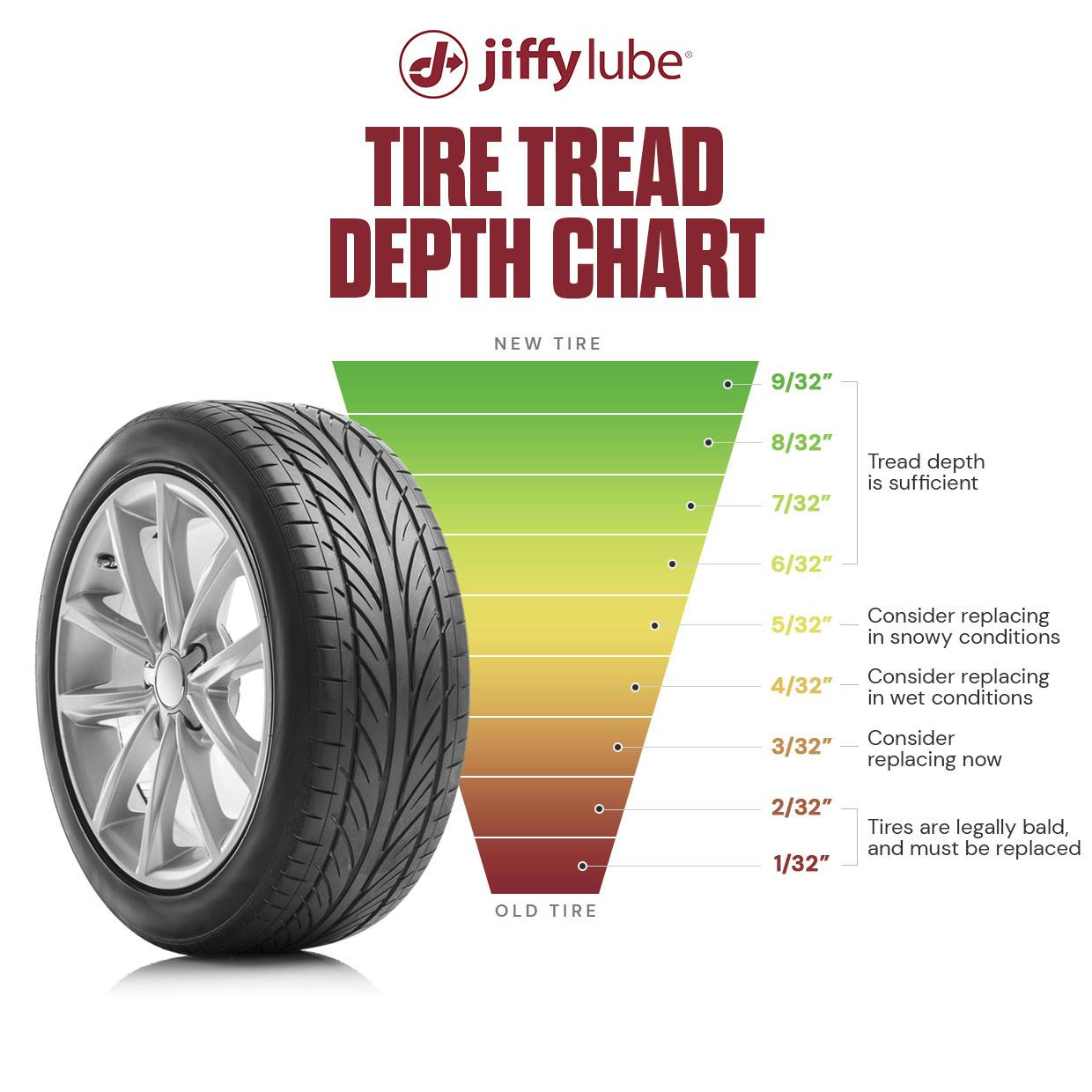
- Record and Compare Measurements: Write down your findings and compare them with the recommended tread depth; most experts agree that a depth of 2/32 inch or less indicates it’s time for a replacement.
- Repeat Regularly: Make it a habit to check your tire treads at least once a month, and before long trips, to ensure your safety and performance on the road.
By following these steps, you can confidently assess the health of your tires and ensure your vehicle is roadworthy. Remember, a little bit of maintenance can go a long way in preserving your safety and comfort while driving!
Understanding Tire Tread Patterns
Different Types of Tread Patterns
Now that you know how to measure tread depth, it’s essential to understand how different tread patterns affect your driving experience. Tire tread patterns are designed for specific driving conditions and play a crucial role in performance. Here are some common types:
- Symmetrical Tread Patterns: This is the most common type found in passenger vehicles. The pattern is the same on both sides, creating a balanced performance. Ideal for everyday driving, these tires offer a quiet ride and excellent wear.
- Asymmetrical Tread Patterns: Combining different designs on the inner and outer edges, these tires enhance performance. The outer tread provides cornering stability while the inner tread improves water evacuation, making these tires great for sports cars and high-performance vehicles.
- Directional Tread Patterns: These tires are designed to rotate in one direction only, featuring a V-shaped pattern. This design maximizes grip on wet surfaces and helps prevent hydroplaning, making them ideal for rainy conditions.
- Aggressive Tread Patterns: Typically found on off-road and sport utility vehicles (SUVs), these tires have deeper grooves and larger tread blocks for better traction on rugged terrains.
Impact of Tread Design on Traction and Handling
The tread pattern directly influences your vehicle’s traction and handling in various conditions. For example:
- Traction on Wet Roads: Tires with deeper grooves and aggressive patterns channel water away, reducing the risk of hydroplaning and improving traction.
- Handling in Dry Conditions: A tighter tread pattern ensures maximum surface contact, leading to enhanced steering response and cornering capabilities.
- Ride Comfort: Symmetrical tread patterns tend to provide a quieter and smoother ride, which is particularly important for long-distance drivers.
Understanding the differences in tire tread patterns not only helps in selecting the right tires for your vehicle but also ensures your driving experience is safer and more enjoyable. Consider your driving habits and conditions when choosing tires, and always consult with a professional if you’re unsure about the best options for your car. Doing so will keep you on the right track—safely and efficiently!

Importance of Regular Tire Inspections
Frequency of Inspections Recommended
Having discussed tire tread patterns, let’s transition to the importance of regular tire inspections. Just as some routine maintenance can prevent deeper issues with your vehicle, regularly checking your tires is paramount for safety and performance. So, how often should you inspect your tires?
- Monthly Checks: Aim for monthly inspections. This will allow you to catch any issues early, from tread wear to air pressure.
- Before Long Trips: Always check your tires before embarking on a long journey. This is a crucial step in ensuring safety on highways or unfamiliar routes.
- Seasonal Inspections: As the seasons change, so do driving conditions. Check your tires at the beginning of winter and summer to ensure they’re suited for the imminent weather challenges.
In my own experience, taking the time to inspect my tires before a long road trip helped me avoid a potential blowout on the highway during a vacation. A little preparation can go a long way!
Benefits of Timely Detection of Tread Wear
The benefits of detecting tire tread wear in a timely manner are numerous:
- Increased Safety: Identifying worn-out treads can prevent accidents due to loss of traction or blowouts.
- Cost Savings: Catching tread wear early can save you from costly tire replacements down the line. By replacing tires when needed, you can avoid additional damages to your vehicle.
- Improved Fuel Efficiency: Tires in good condition improve vehicle performance, leading to better fuel efficiency. This is not just good for your wallet, but also for the environment.
By keeping an eye on your tires regularly, you can ensure a smoother, safer, and more economical driving experience. Incorporating these inspections into your monthly routine can help you drive confidently and maintain the longevity of your tires!
Tire Rotation and Alignment
Role of Rotation in Maintaining Even Tread Wear
As we dive deeper into tire care, let’s explore the significance of tire rotation. Just like regular inspections, rotating your tires is an essential part of maintaining your vehicle. Over time, tires experience different amounts of wear depending on their position on the vehicle. For instance, front tires often wear out faster than rear tires due to steering and braking forces. Rotating your tires helps achieve even tread wear, which prolongs tire life. Here are some tips regarding tire rotation:
- Frequency: Most experts recommend rotating your tires every 5,000 to 7,500 miles, or during every oil change.
- Patterns: Various rotation patterns exist (e.g., front-to-back or crisscross), depending on your vehicle and tire type. Check your owner’s manual for specific recommendations.
In my personal experience, following a consistent rotation schedule significantly improved the longevity of my tires and offered a much smoother ride.
Importance of Proper Alignment in Extending Tire Life
Tire alignment is another crucial factor in tire maintenance. Proper alignment ensures that your tires are positioned correctly relative to the road and each other. When alignment is off, your tires can wear unevenly, leading to issues like pulling to one side or a bumpy ride. Consider the importance of alignment:
- Prevent Uneven Wear: Misalignment can cause certain tires to wear down more quickly, leading to premature replacement.
- Improved Handling: A well-aligned vehicle handles better, providing a safer and more enjoyable driving experience.
- Fuel Efficiency: Properly aligned tires can help improve your vehicle’s fuel economy by reducing rolling resistance.
Regular tire rotations and alignment checks work together to keep your tires in optimal condition. Ensuring these elements are in check will not only enhance your driving experience but also save you money in the long run—making it well worth the effort!

Replacing Worn Out Tires
Factors to Consider When Buying New Tires
When it’s time to replace worn-out tires, choosing the right ones can feel overwhelming with so many options available. However, considering a few key factors can simplify the decision-making process. Here are some tips to keep in mind:
- Tire Type: Determine whether you need all-season, winter, or performance tires based on your driving habits and local climate. For example, if you often drive in winter conditions, investing in high-quality winter tires will provide better traction and safety.
- Tread Design: As we discussed earlier, different tread patterns cater to different driving conditions. Consider how you use your vehicle and choose a design that meets those needs.
- Vehicle Specifications: Always consult your owner’s manual for tire specifications, including size, load index, and speed rating. This information ensures you purchase tires that fit and perform well on your vehicle.
- Warranty and Reviews: Check for warranties and customer reviews. Reliable brands often offer warranties, which can protect your investment.
How to Ensure Proper Installation and Balancing
After choosing the right tires, the next step is ensuring they’re installed and balanced correctly. Proper installation and balancing are crucial for optimal performance:
- Professional Installation: Always seek a reputable tire shop or mechanic for installation. They have the necessary tools and expertise to do the job right.
- Balancing: Once installed, tires need to be balanced to ensure even weight distribution. This helps prevent vibrations while driving, enhances handling, and prolongs tire life.
- Check Valve Stems: Make sure the valve stems are replaced during installation to prevent air leaks.
- Alignment: Don’t forget to verify that your alignment is adjusted correctly. This can significantly influence tire longevity and vehicle handling.
By taking the time to consider what’s necessary when buying new tires and ensuring they are properly installed and balanced, you’ll set yourself up for a safer and more enjoyable driving experience. Just remember that your tires are a key investment in your vehicle’s performance, so it’s worth doing it right!

Conclusion and Recap
Summary of Key Points for Tire Tread Monitoring
As we wrap up our discussion on tire maintenance, it’s clear that keeping an eye on your tires is essential for safety and performance. Here’s a quick recap of the key points we covered regarding tire tread monitoring:
- Importance of Tread Depth: Regularly check your tire tread depth to ensure proper traction and to avoid hydroplaning or blowouts.
- Visual Checks: Look for warning signs such as uneven wear, cracks, or the tread wear indicators being flush with the tread.
- Regular Inspections: Implement a routine inspection schedule, ideally monthly, to spot potential issues before they escalate.
- Tire Rotation and Alignment: Rotate your tires every 5,000 to 7,500 miles and maintain alignment to promote even tread wear and prolong tire life.
In my own driving experience, consistent attention to tire health has undoubtedly made my journeys safer and more enjoyable.
Final Tips for Ensuring Safe Driving with Well-Maintained Tires
To round off, here are some final tips to ensure you drive safely with well-maintained tires:
- Invest in Quality Tires: Choose tires that are appropriate for your vehicle and driving conditions. Quality tires perform better and last longer.
- Stay On Top of Maintenance: Commit to regular inspections, rotations, and alignments to maximize your tires’ lifespan.
- Monitor Tire Pressure: Don’t forget to check tire pressure regularly! Properly inflated tires are crucial for safety, fuel efficiency, and overall vehicle performance.
By following these guidelines, you’ll not only enhance your vehicle’s performance but also contribute to your safety on the road. Your tires are the only connection between your vehicle and the road, so taking care of them can make all the difference. Happy and safe driving!