


Introduction
Overview of Car Ownership in Singapore
Car ownership in Singapore presents a unique landscape influenced by various factors such as the city-state's geography, urban planning, and stringent government regulations. With a land area of just 728.6 square kilometers and a dense population of over 5.7 million people, the need for effective urban mobility solutions is paramount. As a result, owning a car in Singapore is often considered both a necessity and a luxury. Despite the challenges associated with car ownership, many Singaporeans aspire to have their own vehicle. This desire can be attributed to factors including:
- Comfort and Convenience: Having a car provides a sense of ease, making commuting more comfortable—especially during Singapore’s humid weather.
- Time Efficiency: With busy schedules, many find that driving can save time compared to public transport, particularly for families or individuals with multiple destinations.
- Status Symbol: In a fast-paced economy like Singapore, owning a car can symbolize success and affluence, which is often valued in local culture.
However, the privileges of car ownership come with substantial costs, making it a serious financial consideration. Potential car owners in Singapore must navigate a complex environment of taxes, fees, and regulations that impact their wallets significantly. For instance, the purchase price of vehicles is only the tip of the iceberg; they must also contend with additional expenses like insurance, fuel, parking, and regular maintenance. Singapore's government employs strict vehicle ownership controls primarily to manage road congestion and reduce environmental impacts. The introduction of policies such as the Certificate of Entitlement (COE) system imposes a significant upfront fee that can sometimes rival the vehicle's purchase price, further complicating the decision to own a car. So, what does it mean to own a car in this bustling metropolis? It’s essential to weigh the right factors and understand the complete financial picture before jumping into such a commitment. The purpose of this analysis is to provide insights that empower potential car owners with the knowledge needed to make informed decisions.
Purpose and Scope of the Analysis
This analysis aims to shed light on the financial realities associated with car ownership in Singapore, offering a well-rounded perspective on the various costs involved. It seeks to educate readers about the true total cost of ownership (TCO) and the financial implications of having a car in such a densely populated urban environment.
Key Focus Areas of the Analysis:
- Detailed Breakdown of Costs: Readers will gain clarity on the various components of car ownership costs, including the Certificate of Entitlement, additional registrations fees, taxes, maintenance, insurance, fuel, and parking expenses.
- Total Cost of Ownership (TCO): The analysis will explore TCO calculations and even provide a comparison between owning a car and alternative transportation methods like public transport or ride-hailing services. This comparative insight can guide readers to assess their options more effectively.
- Budgeting and Financial Management: Practical tips will be provided on setting budget goals and managing expenses related to car ownership, paving the way for a healthier financial management strategy for potential car owners.
- Government Policies: An examination of recent government policies affecting car ownership and an exploration of future trends in Singapore's automotive industry will be included. Keeping abreast of policy changes is vital as it can influence purchasing decisions and the long-term viability of car ownership.
- Conclusion and Recommendations: The analysis will culminate in actionable insights and conclusions that equip potential car owners with a balanced view of the pros and cons of owning a car in Singapore.
What makes this analysis particularly relevant is the prevailing mindset among many Singaporeans that owning a car offers unparalleled convenience. However, many may overlook the hidden costs and the long-term financial commitment involved. Through real-life examples and data, this analysis will strive to provide readers with an engaging and informative experience, regardless of their current knowledge level. By understanding the nuances of car ownership in Singapore, readers can make more informed decisions tailored to their specific circumstances. Whether one is contemplating purchasing their first car or reassessing their current transportation situation, this analysis aims to be a valuable resource that highlights both the allure and the constraints of driving in this vibrant city-state. In the subsequent sections, the detailed financial breakdown will begin, showcasing the various costs associated with car ownership in Singapore. Additionally, readers will encounter budgeting tips to ease the financial burden and discern the broader implications of ownership amidst evolving government policies. As we transition to the next section, the complexities of car ownership promise to unveil a journey filled with insights that can reshape perspectives on mobility in Singapore.
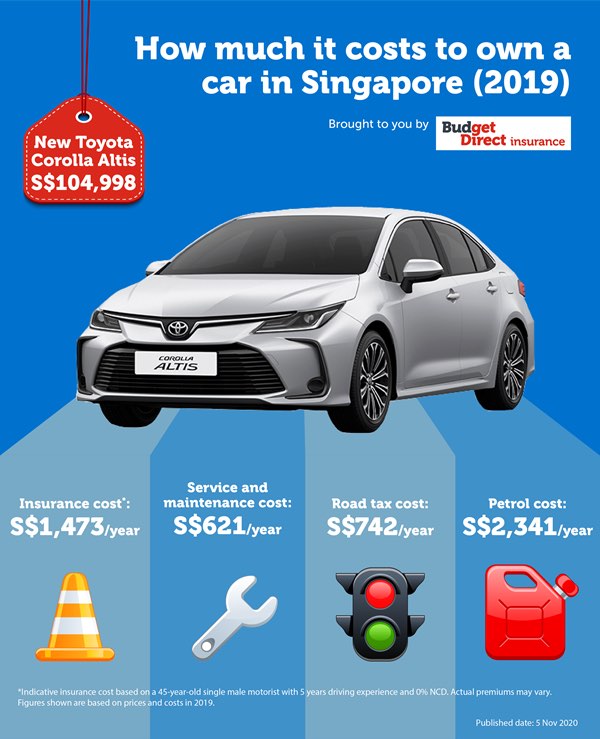
Cost of Owning a Car in Singapore
Understanding the true cost of owning a car in Singapore requires an in-depth look at various components that constitute the overall financial commitment. In a city where car ownership is both prized and financially burdensome, navigating these costs with clarity is essential. Let's explore the key expenses involved.
Certificate of Entitlement (COE) Costs
One of the first and most significant upfront costs associated with car ownership in Singapore is the Certificate of Entitlement, commonly referred to as COE. The COE is a document that allows the owner to register a vehicle for a period of 10 years. However, the cost of obtaining a COE can fluctuate dramatically depending on market demand.
- COE Categories: There are different categories of COEs based on vehicle types, including:
- Category A: Cars up to 1,600cc and with a power output not exceeding 97 kW (130 hp).
- Category B: Cars above 1,600cc or with a power output above 97 kW.
- Category C: Goods vehicles and buses.
- Category D: Motorcycles.
- Recent Trends: In recent years, COE prices have surged, sometimes reaching over SGD 100,000 for larger vehicles. This substantial initial investment can be a shocking revelation for first-time car buyers.
Reflecting on personal experiences, a friend of mine recently shared his frustration as he attempted to purchase a reliable family car. He had his eye on a popular SUV model, but when he learned the total cost of the COE, he had to reassess his budget. The high COE price altered his purchasing decision entirely, guiding him to consider more cost-effective options.
Additional Registration Fees and Taxes
Once a COE is secured, several additional registration fees and taxes come into play. These include:
- Registration Fee: Car owners must pay a nominal registration fee to get their vehicle officially registered. This cost is typically around SGD 220.
- Road Tax: In Singapore, road tax is calculated based on the engine capacity of the vehicle. For instance, a vehicle with a 1,600cc engine may incur annual road tax of around SGD 600. The more powerful the engine, the higher the tax.
- Additional Registration Fee (ARF): This fee is calculated as a percentage of the Open Market Value (OMV) of the vehicle. For example, it can be as high as 100% for cars with an OMV of SGD 20,000 and above, drastically driving up the total cost of ownership.
- Goods and Services Tax (GST): Lastly, GST applies to vehicle purchases and other automotive-related expenses, currently set at 9% effective from 2024.
Combining all these fees gives a clearer picture of the financial commitment involved just to get a car on the road legally. For many, the total figures can start to feel overwhelming.
Maintenance and Insurance Costs
Maintaining a car comes with its set of financial responsibilities, primarily focusing on two key aspects—maintenance and insurance.
- Maintenance Costs: Regular maintenance is crucial for vehicle longevity. This includes:
- Oil changes
- Tire rotations
- Brake inspections
- Annual vehicle inspections (which cost around SGD 70)
On average, car owners might spend anywhere from SGD 700 to SGD 1,500 annually on routine maintenance, depending on vehicle condition and frequency of service.
- Insurance: Vehicle insurance is mandatory in Singapore, and premiums can vary widely based on vehicle type, owner experience, and policy coverage. Average annual premiums for car insurance may range between SGD 800 and SGD 2,000.
With these real figures at play, a detailed expense log can help future owners prepare for these essential costs.
Fuel and Parking Expenses
Fuel and parking are ongoing costs that can impact the daily budget significantly.
- Fuel Costs: As of late 2023, fuel prices hover around SGD 2.10 to SGD 2.40 per liter, depending on the petrol station and the type of fuel used (e.g., unleaded, diesel). For a typical car that covers around 15 km per liter, monthly fuel expenses can easily reach SGD 150 to SGD 300 based on driving habits and frequency.
- Parking Expenses: In Singapore, parking fees can also contribute significantly to ownership costs. Owners can expect to pay:
- Expressway tolls (ERP) during peak hours
- Public car park charges, which can range from SGD 1.20 to SGD 4 per hour, depending on location.
Many drivers adopt strategies like monthly parking subscriptions in certain districts, which can provide savings over time while providing convenience. In summary, the costs of owning a car in Singapore can quickly accumulate, with the primary expenses of COE, registration fees, taxes, maintenance, insurance, fuel, and parking contributing to an intricate financial web. Potential owners should prepare for these realities and consider not just the purchase price but the overarching expenses when weighing their decision. As we move forward in this analysis, we'll delve into calculating the total cost of ownership and comparing it with alternative transportation methods that may alleviate some of these burdens.

Calculating the Total Cost of Ownership (TCO)
Understanding the total cost of owning a car is crucial for anyone contemplating the purchase of a vehicle in Singapore. As we've explored in previous sections, the financial commitments extend far beyond the initial purchase price, reaching into various categories of costs. So, let's dive into how to accurately calculate the total cost of ownership (TCO) and see how it compares with alternative transportation options.
Factors to Consider in TCO Calculation
Calculating TCO involves grabbing hold of a vast array of expenses that accumulate over the ownership period. Here are the primary factors to consider:
- Initial Costs:
- Purchase Price: The upfront cost of the vehicle itself, whether it's new or used, will have a significant impact on TCO.
- COE Costs: As discussed previously, the Certificate of Entitlement could be one of the most substantial first expenses.
- Recurring Costs:
- Insurance Premiums: This recurring cost depends on the driver's history, type of car, and chosen coverage.
- Fuel Expenses: Fuel costs fluctuate based on driving habits and fuel price variations. Monitoring your fuel consumption can provide an accurate monthly estimate.
- Maintenance: Regular servicing and unforeseen repair expenses should be factored in as an ongoing cost.
- Road Tax: This annual fee can vary widely based on engine capacity and enhances the financial responsibilities over the years.
- Additional Costs:
- Parking Fees: Regular parking expenses can add up, especially for those commuting to busy districts or frequenting shopping areas.
- Tolls and ERP Charges: Budgeting for Electronic Road Pricing (ERP) is essential when considering frequently traveled routes during peak hours.
- Depreciation:
- All vehicles depreciate in value over time. It's crucial to consider how much value your car will lose by the time you decide to sell or trade it in.
- Financing Costs: If you take a loan to purchase the vehicle, don't forget to include interest payments in your TCO calculation.
By aggregating these expenses, potential car owners can arrive at a robust Total Cost of Ownership figure, which provides a more comprehensive view of their investment.

Financial Considerations and Budgeting Tips
As we delve deeper into the realities of car ownership in Singapore, understanding financial considerations is crucial for anyone contemplating making this significant investment. After calculating the Total Cost of Ownership (TCO) and realizing the various expenses involved, the next step is to create a realistic budget and develop strategies to manage those costs effectively. In this section, we'll explore how to set sensible budget goals and share valuable tips for managing car-related expenses.
Setting Realistic Budget Goals
The first step toward responsible financial planning is setting realistic and achievable budget goals. For many, the allure of a new car may overshadow the financial commitments that accompany ownership. Here’s how to set a budget that aligns with your financial situation:
- Analyze Your Current Financial Situation:
- Take a close look at your monthly income and expenses. Understand where your money goes each month—such as housing, groceries, entertainment, and savings.
- Create a list of all your mandatory and discretionary expenses. This will help you gauge how much room you realistically have to allocate for car ownership.
- Identify All Costs:
- Remember that car ownership is not just about the purchase price. Include COE, financing costs, insurance, fuel, maintenance, and parking expenses in your budget.
- A useful practice is to list out both essential and non-essential costs. For instance, a budget table might look like this:
| Expense Category | Estimated Monthly Cost (SGD) |
|---|---|
| Car Loan Payment | 500 |
| Insurance | 125 |
| Fuel | 200 |
| Maintenance | 100 |
| Parking | 200 |
| Total | 1,225 |
- Set Savings Goals:
- Beyond just covering expenses, set aside a portion of your budget for unexpected expenses like repairs or emergencies. A general rule of thumb is to maintain an emergency fund of three to six months' worth of car-related expenses.
- Saving for major services or part replacements (like tires or batteries) can also be a smart move.
- Create an Adjusted Budget:
- After accounting for all the expenses, create an adjusted budget that reflects your financial capabilities. It’s crucial to ensure that you maintain a balance between your fixed expenses and your discretionary spending.
Setting these goals might seem daunting, but they ensure that car ownership remains affordable without impinging on your basic financial necessities and lifestyle.
Strategies to Manage Car-Related Expenses
Once your budget is established, managing car-related expenses becomes the next priority. Here are effective strategies to keep your costs in check and ensure financial sustainability:
- Regular Maintenance and Care:
- Keeping your car maintained not only preserves its value but also reduces the likelihood of costly repairs down the line. Schedule preventive maintenance, such as oil changes and tire rotations, regularly.
- For instance, a friend who diligently kept up with his car's maintenance incurred fewer issues, enabling him to save on unforeseen repair costs.
- Shop for Insurance:
- Take the time to compare insurance providers to find the best rates and coverage for your needs. Many companies offer discounts for safe driving or bundling insurance products.
- Consider adjusting your out-of-pocket expenses in exchange for lower premiums, but make sure any details align with your risk tolerance.
- Adopt Fuel-Saving Habits:
- Explore options to save on fuel, such as maintaining optimal tire pressure, reducing idling time, and adopting smooth driving techniques.
- Consider apps that can help you track fuel prices and locate the cheapest stations near you.
- Monitor Parking Expenses:
- Look for opportunities to reduce parking costs, such as carpooling with colleagues or utilizing public transport for part of your commute. This habit can also facilitate social interactions and save money.
- If you frequently visit specific areas, search for monthly parking deals to save compared to hourly rates.
- Utilize Technology:
- Utilize budgeting apps to track expenses continuously. Applications can help manage finances effectively, giving you insight into your spending habits.
- Set financial alerts to notify you of any potential overspending or when budget limits are near.
- Consider Alternative Transportation Adjuncts:
- Having a backup plan using public transport or ride-hailing services can significantly alleviate costs when car ownership gets overwhelming. It’s also beneficial when road conditions or weather are less favorable.
In conclusion, owning a car in Singapore is both a significant commitment and a privilege that requires careful financial planning. By setting realistic budget goals and implementing effective expense management strategies, potential car owners will be better equipped to handle the financial landscape that comes with it. As we move toward the end of our analysis, whether one chooses to invest in car ownership or explore alternatives, staying informed and prepared is key to achieving a balanced and fulfilling transportation experience in the vibrant city of Singapore.
Government Policies Impacting Car Ownership
As we continue our exploration of car ownership in Singapore, it is essential to recognize the vital role that government policies play in shaping the automotive landscape. Singapore's government has a long history of implementing regulations and incentives that directly affect car ownership and usage. These policies aim to address traffic congestion, environmental concerns, and public safety, all while managing limited road space. In this section, we will delve into recent policy changes impacting car owners and discuss potential future trends within Singapore's automotive industry.
Recent Policy Changes Affecting Car Owners
Recent years have seen several significant policy changes that car owners should be aware of. These measures largely stem from the government’s ongoing efforts to manage urban mobility while encouraging more sustainable practices:
- Revised COE Quota System:
- In an effort to better regulate the number of vehicles on the road, the government announced adjustments to the COE quota system in 2021. This reform sought to reflect the actual demand for different vehicle categories, primarily emphasizing the reduction of private car ownership while promoting public transportation. As a result, potential car owners may have experienced higher COE prices in recent bidding exercises, pushing some to reconsider their decision to buy a car.
- Enhanced Electric Vehicle (EV) Incentives:
- Recognizing the importance of sustainability, the government has introduced various incentives to encourage the adoption of electric vehicles. This includes tax rebates, such as the EV Early Adoption Incentive, which provides up to SGD 20,000 in rebates for eligible electric vehicles purchased before 2023. Many prospective car buyers are now considering EVs for both environmental reasons and the monetary incentives offered through these policies.
- Carbon Emissions-Based Vehicle Scheme (CEVS):
- The CEVS, which was updated in 2020, establishes a framework to assess the environmental impact of vehicles and promote the acquisition of vehicles with lower carbon emissions. Cars that meet stringent emissions criteria may enjoy additional rebates, while those that do not will incur surcharges. This scheme further incentivizes car owners to invest in greener alternatives.
- Increased Electronic Road Pricing (ERP) Rates:
- The government has also announced plans to increase ERP rates during peak hours in high-traffic zones. This move aims to curb congestion and encourage drivers to consider alternate means of transport. As a result, car owners are encouraged to remain vigilant regarding their driving patterns and public transport alternatives to mitigate costs.
Reflecting on these policy changes, a friend of mine who was heavily invested in the automobile industry pointed out how these reforms influenced consumer sentiment. Many were now turning towards alternatives such as public transport and car-sharing services, given the rising costs associated with owning a vehicle.
Future Trends in Singapore's Automotive Industry
Looking ahead, several trends are likely to shape the future of car ownership in Singapore, particularly as the government continues to adapt to the evolving needs of citizens:
- Rise of Electric and Autonomous Vehicles:
- The government aims for all vehicles on the road to be electric by 2040. This transition will see increased investments in EV infrastructure, including charging stations across the city. Expect more car models to be available in the electric space, making the shift more attractive to environmentally conscious consumers.
- Public Transport Augmentation:
- Singapore boasts a robust public transport network, and the government plans to further enhance it. With extended rail lines and more bus routes coming soon, public transport will remain a viable alternative to private vehicle ownership. This shift may lead to a more interconnected transport system, making it easier for residents to opt for public options.
- Smart Infrastructure:
- The move toward smart city concepts will heavily influence future transportation policies. Innovative technologies such as smart traffic management systems, connected vehicles, and mobility-as-a-service platforms will redefine how residents think about car ownership. These advancements can streamline traffic flow, reduce congestion, and enhance overall road safety.
- Shared Mobility Solutions:
- Ride-sharing and car-sharing platforms are becoming increasingly popular among urban dwellers. This trend reflects a shift toward shared mobility solutions, allowing users to access vehicles without the long-term commitment of ownership. Expect growth in partnerships between the government and mobility service providers to further promote shared transportation options.
- Emphasis on Sustainability:
- As Singapore continues to tackle environmental challenges, sustainable practices within the automotive industry will take center stage. Expect more stringent regulations on emissions and waste management, encouraging manufacturers to adopt greener practices while promoting eco-friendly vehicle options.
Overall, government policies and future trends will significantly impact the car ownership landscape in Singapore. As these changes unfold, prospective car owners must stay informed and adapt their strategies accordingly. Whether by considering electric vehicles, leveraging public transport, or embracing new technologies, staying abreast of these trends will allow car owners to navigate Singapore's automotive landscape more effectively. As we reach the conclusion of our analysis, the journey of understanding car ownership in Singapore is enriched by these evolving policies and trends. Being informed is the best strategy for potential car owners to ensure that their investment aligns with their needs, lifestyles, and sustainability goals.
Conclusion
As we conclude our comprehensive exploration of car ownership in Singapore, it's essential to recap the key financial realities and insights that aspiring car owners should consider. The dynamic cityscape of Singapore, coupled with its unique regulations and policies, presents a complex yet rewarding journey for those contemplating vehicle ownership.
Recap of Key Financial Realities of Owning a Car in Singapore
Throughout our discussion, we highlighted several pivotal financial aspects that come with owning a car in this urban environment. Here’s a concise summary:
- Significant Upfront Costs:
- Certificate of Entitlement (COE): This is not just a mere formality but can often be a hefty expenditure, sometimes even rivaling the price of the vehicle itself.
- Additional Registration Fees and Taxes: From road taxes to additional registration fees, these costs contribute significantly to the initial financial burden.
- Ongoing Expenses:
- Insurance and Maintenance Costs: Both need to be meticulously accounted for annually. Car insurance varies significantly by individual circumstances, while maintenance costs can add up quickly if not proactively managed.
- Fuel and Parking: Live in a densely populated area? Be prepared for substantial parking fees and fluctuating fuel prices that impact your monthly budget.
- Total Cost of Ownership (TCO):
- A thorough understanding of TCO, which includes all costs associated with owning a vehicle, is crucial for making an informed decision. Comparing these expenses with alternative transportation options is essential in determining what makes the most financial sense for your lifestyle.
- Government Policies:
- Policies surrounding COE quotas, taxation for emissions, and incentives for electric vehicles play a significant role in shaping the cost landscape for car ownership.
Reflecting on my own experience, I remember the time when I considered purchasing my first vehicle. I eagerly mapped out my budget but quickly realized just how many hidden costs were lurking beneath the surface. It was a valuable lesson that prompted me to reassess my financial commitments and explore alternatives. In summary, owning a car in Singapore is a considerable investment that requires careful consideration of both direct and indirect costs. Those contemplating this purchase must approach it with an informed mindset.
Final Recommendations and Insights
Based on the insights we’ve explored regarding car ownership, here are some final recommendations for navigating the complexities of this significant financial commitment:
- Thorough Research and Planning:
- Before making a purchase, dedicate time to understanding all costs involved. This includes engaging with various car dealerships, insurance companies, and researching maintenance services to gain a holistic view.
- Budget according to realistic financial expectations. See what you can afford without putting undue strain on your finances. Use detailed budgeting tables similar to those we discussed earlier to give you a clearer picture.
- Explore Alternatives:
- Consider various transportation methods available, especially in a well-connected city like Singapore. If your lifestyle permits, embracing public transport and ride-hailing services can be far more economical than car ownership.
- Look into car-sharing services if you only need occasional access to a vehicle. This flexibility can help you save significantly while enjoying the benefits of mobility.
- Stay Updated:
- Regularly review government policies and sign up for updates regarding changes that might impact your financial decisions. Staying informed will allow you to recalibrate your budget and options as necessary, ensuring you aren’t caught off guard.
- Adopt Sustainable Practices:
- Whether you own a car or use other forms of transport, adopting greener practices can help minimize costs in the long run. Consider investing in an electric vehicle if feasible, benefitting from lower fuel costs and potential subsidies.
- Build an Emergency Fund:
- Unforeseen costs can arise with car ownership, from repairs to sudden increases in fuel prices. Set aside an emergency fund specifically for vehicle-related expenses to bolster your financial resilience.
In conclusion, car ownership in Singapore presents both opportunities and challenges. While it offers convenience and independence, it comes with a financial responsibility that must be thoughtfully managed. By understanding the financial realities outlined in this guide, prospective car owners can make sound decisions tailored to their needs and circumstances. As a final thought, weigh your options carefully. Whether steering towards car ownership or exploring alternative transportation solutions, being an informed driver or commuter is the true key to navigating Singapore's automotive landscape successfully. Empowered and prepared, you can make your transportation choices reflect both your lifestyle and your financial goals.